
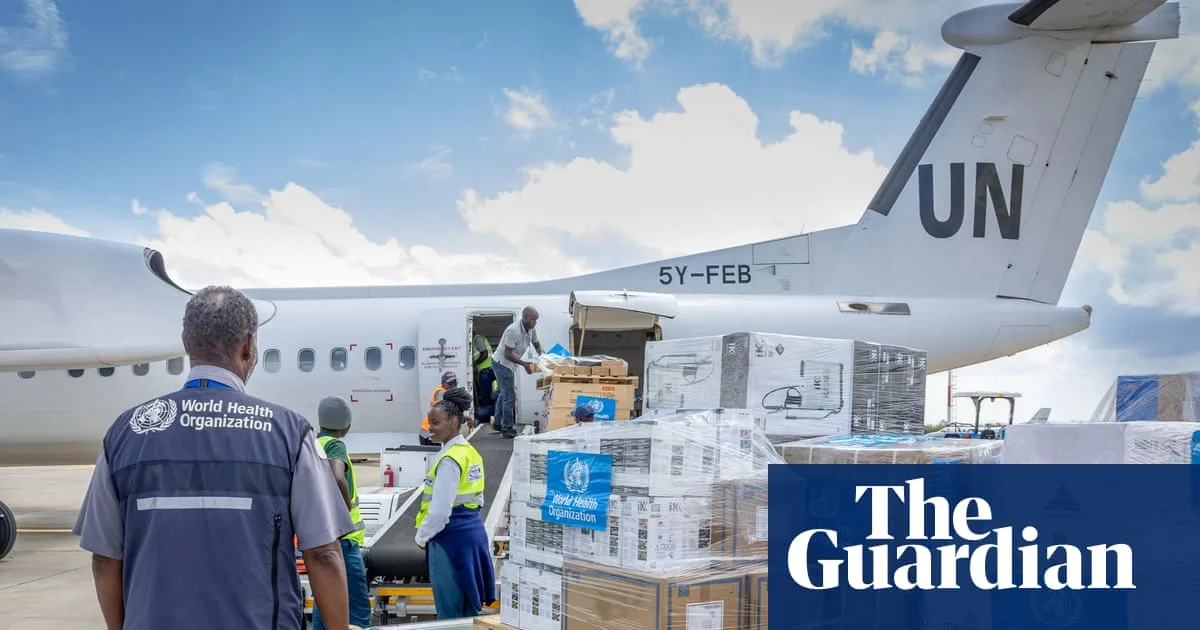
The World Health Organization (WHO) is exploring whether experimental vaccines or treatments could be deployed to combat the Ebola outbreak in the Democratic Republic of the Congo (DRC), as the number of suspected cases surpasses 500 and deaths reach 130. WHO chief Dr Tedros Adhanom Ghebreyesus expressed deep concern over the outbreak's speed and scale, noting that the figures have risen sharply from about 200 cases and 65 deaths reported just days earlier.
The outbreak is caused by the Bundibugyo strain of the virus, which has no approved vaccine or treatment. Scientists from the DRC and Uganda published the virus's genome online, suggesting a recent “spillover event” from an infected animal, with subsequent human-to-human transmission. Professor David Matthews of the University of Bristol noted that this pattern offers hope the outbreak can be traced and interrupted, as in past incidents, whereas repeated independent spillovers would complicate containment.
Dr Mesfin Teklu Tessema of the International Rescue Committee (IRC) warned that confirmed cases may represent only “the tip of the iceberg”, and spread across the porous border to South Sudan is probably “a matter of when”. He highlighted a severe lack of basic protective equipment for healthcare workers and a weak public health infrastructure in the region. Anne Ancia, WHO’s representative in Ituri province, cautioned that the outbreak might take months to control, citing a previous two-year outbreak that killed nearly 2,300 people.
In neighbouring Uganda, authorities have advised against hugging and handshakes, and cancelled the annual Uganda Martyrs’ Day celebrations on 3 June to prevent large gatherings. While the WHO recommends screening at borders, it urges against travel or trade restrictions; however, some countries including the US have imposed bans, and Rwanda has closed its border with the DRC. The WHO is convening a technical group to advise on potential tests, vaccines, and treatments, though existing vaccines are only effective against the Zaire strain and cannot be used in this outbreak.




