
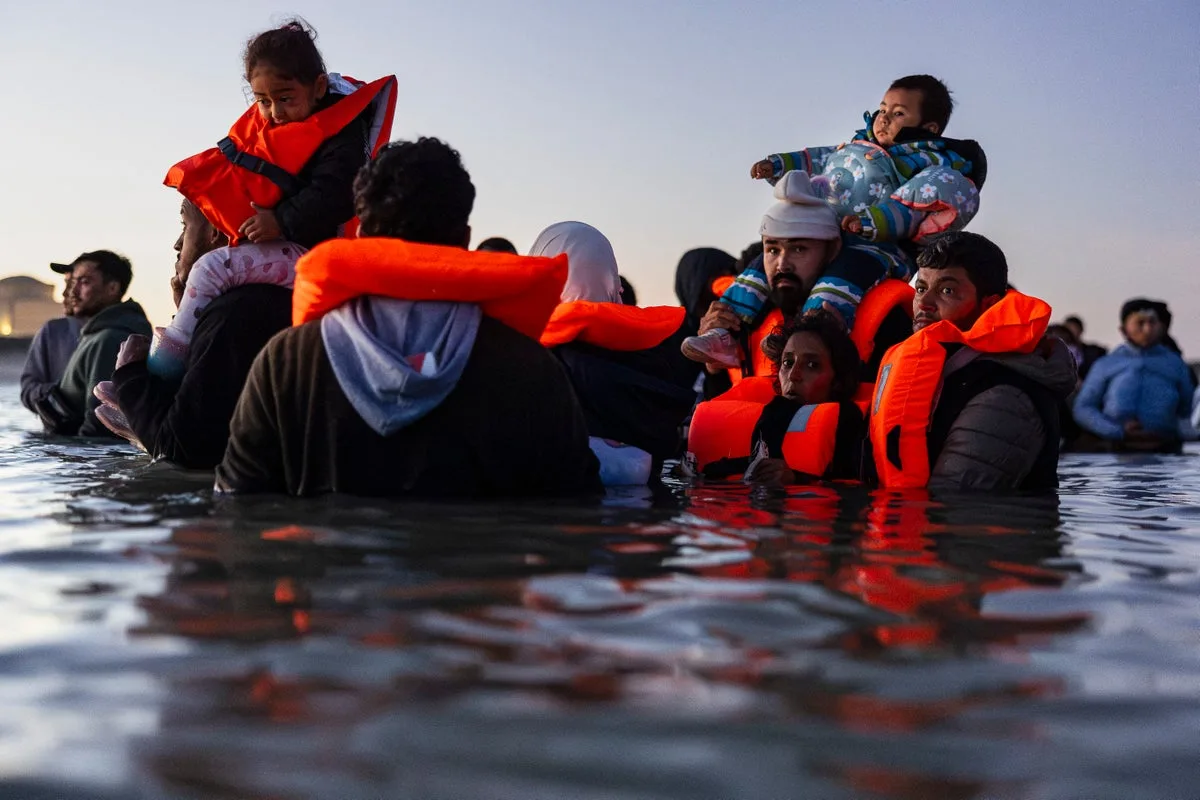
At least 699 migrants died while fleeing their homes around the world in January 2026, making it the deadliest January since records began, according to figures from the UN’s migration organisation. The International Organisation for Migration (IOM), which tracks fatalities through its Missing Migrants Project, said the increase has been driven by a spike in deaths across the Mediterranean, where dangerous weather and makeshift boats have caused several major incidents this year.
As of Monday, at least 533 deaths had been recorded on Mediterranean routes in 2026, the IOM confirmed. The second closest year was 2015, when 427 deaths were recorded by the same point. The IOM data also suggests the rate of deaths per crossing has risen: around 3,500 migrants arrived by sea in Italy in January 2015, compared with fewer than 1,500 in January 2026.
The latest major incident occurred on 6 February, when 53 migrants, including two babies, were reported dead or missing after a rubber boat capsized off the Libyan coast north of Zuwara. They were attempting to cross the Central Mediterranean route, which has claimed 26,411 lives since records began, making it the world’s deadliest migration crossing by a significant margin. In late January, Italian authorities estimated that 380 people may have drowned in a single week as thousands tried to cross during Cyclone Harry.
The International Rescue Committee (IRC) warned that a “sharp and shameful decline in access to safe pathways” and a global increase in deterrence policies have been “cruel, costly and counterproductive” at a time when global displacement is near an all-time high. “When safe routes close, people don’t stop moving,” said Daniel Feeney Berlin, the IRC’s Global Policy Director for Protection Pathways. “Rather, they are forced into more dangerous journeys. With record displacement and collapsing protection pathways, rising deaths are tragic but predictable.”
Elsewhere, the IOM recorded at least 156 deaths on routes to and from Africa, 72 in Asia, 18 in the Americas, four in Europe and four in West Asia. The organisation said its figures are almost certainly an underestimate, with thousands of migrants likely dying in areas with limited reporting capabilities, a trend worsened by tightening immigration policies that push migrants towards remote routes.
Mr Berlin urged governments to act urgently to prevent further loss of life. “That means investing in safe, managed, and accessible pathways to protection,” he said. “Increased access to resettlement, family reunion, and humanitarian admissions prevent people from taking deadly journeys in the first place, and well-functioning asylum systems ensure that when people reach our shores they are treated humanely and fairly.”




