A High Court ruling has dealt a significant blow to Home Secretary Shabana Mahmood's plans to house more asylum seekers in former army barracks, after judges found that the government acted unlawfully by forcing survivors of torture to share rooms with strangers.
Court Ruling Details
Mr Justice Sweeting ruled on Thursday that the government breached its duties when it changed its policy to require survivors of torture, trafficking, and other serious violence to share accommodation. The judge stated that ministers failed to assess the impact of these changes despite "longstanding, consistent evidence of the serious risks of harm" faced by such individuals.
The ruling could affect Mahmood's strategy to move asylum seekers out of hotels and into shared housing and dormitories on Ministry of Defence land by the end of this parliament. The charity Freedom From Torture (FFT) estimates that up to 10,000 survivors currently housed in shared accommodation could be impacted.

Charities Hail Victory
Natasha Tsangarides, associate director of advocacy at FFT, called the judgment a "vital and resounding victory" for survivors. "The judgment makes clear that the government acted unlawfully in changing its policy. We have seen the consequences of those changes: survivors of torture have been placed in harm's way," she said.
The legal challenge was brought by FFT and the Helen Bamber Foundation, which support asylum claimants who have experienced physical and mental abuse. They argued that a policy introduced in February 2024 by the previous government removed a "protective presumption" that torture survivors would not be forced to share rooms with strangers. The current government has continued this practice, they added.
Government Failures
The court found that the Home Secretary acted unlawfully by failing to consult the two charities before making fundamental policy changes. The government also neglected to conduct a proper impact assessment, despite clear evidence of risks. "These failures amount to a serious breach of [the home secretary's] public law duties, rendering the impugned policy changes unlawful," Sweeting said.
The Home Office must now decide whether to revert to the old policy or reintroduce changes after proper consultation and impact assessment. Kamena Dorling, a director at the Helen Bamber Foundation, said terrible living conditions had impeded the recovery of survivors. "The decision to force more vulnerable people into large accommodation sites and shared hotel rooms was a political choice that ignored the evidence from those working with refugees every day," she stated.
Ongoing Accommodation Plans
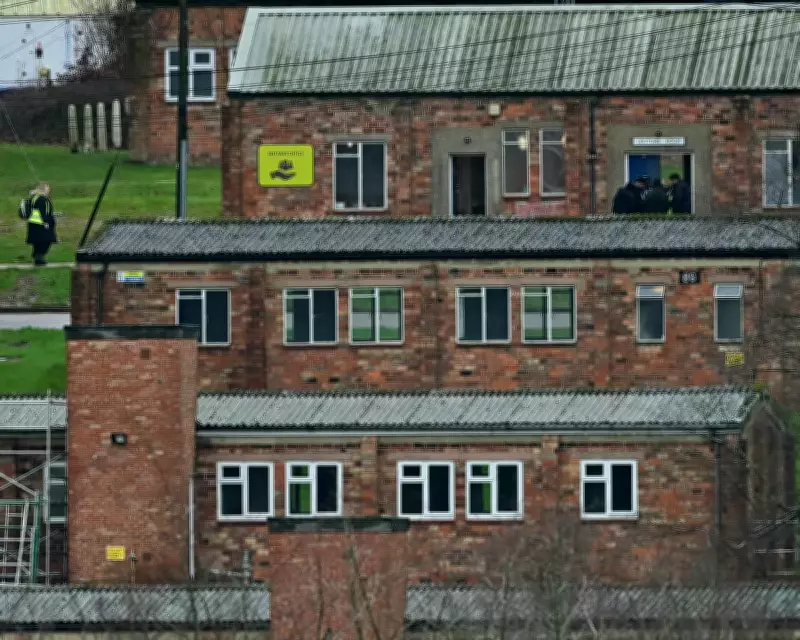
About 350 people have already been moved into a former barracks at Crowborough in East Sussex, which opened to asylum seekers in January. Plans to house another 300 in Cameron barracks in Inverness have faced delays. A Home Office spokesperson said the department would "carefully consider" the ruling, adding: "Lessons have been learned from large sites acquired under the previous government. Strict checks are in place to maintain high health and safety standards in asylum accommodation, and those who genuinely require additional support receive it."
AI Age Verification
In a separate development, the Home Office is set to use AI facial recognition tests to estimate the age of asylum seekers claiming to be children. Akhter Computers, based in Harlow, has been awarded a £322,000 contract to provide "an algorithm that can accurately predict the age of a subject," according to an official notice published on Friday. Unaccompanied children seeking asylum are treated differently to adults, and being under 18 can affect whether asylum is granted. When age is disputed, immigration officers carry out assessments. A report last year found some staff at the Western Jet Foil reception centre in Dover lacked adequate training, noting it was "inevitable" some assessments would be wrong "in the absence of a foolproof 'test' of chronological age."