

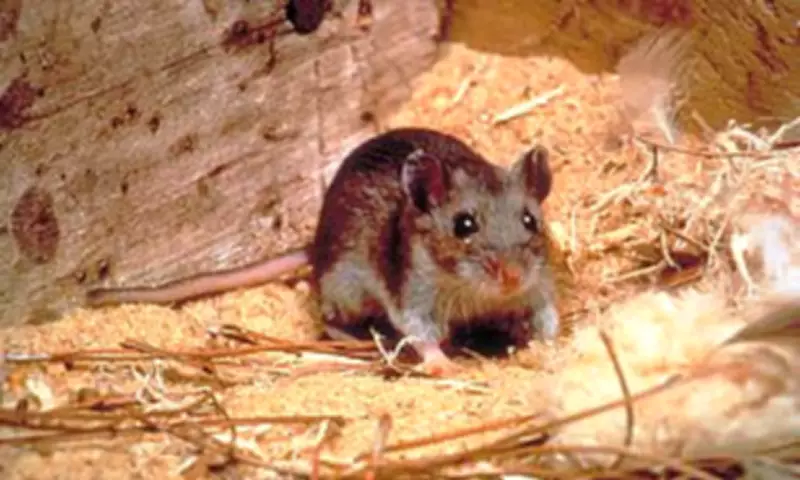
A person living in Colorado has died of hantavirus in a rare case that is not connected to the outbreak on a cruise ship that has killed three. Health officials have stated that the infection appears to have come from exposure to local rodents.
Transmission and Risks
Hantavirus is typically spread by breathing in dust from the droppings of infected rodents, which may be disturbed during sweeping or cleaning. The strain found in the United States is not transmitted from person to person, unlike the Andes strain responsible for the cruise ship outbreak.
Cruise Ship Outbreak Details
The cruise ship outbreak is suspected to have been sparked after a Dutch couple contracted the virus while bird watching in Argentina. The U.S. Centers for Disease Control and Prevention (CDC) is currently monitoring 41 Americans across 16 states who had potential hantavirus exposure. One American, a doctor who was a guest on the cruise ship, began treating ill passengers when the ship's doctor was sickened. He tested positive for the virus but has since tested negative three times.

There are now ten hantavirus cases in connection with the cruise ship outbreak, including passengers and people who were exposed off the ship during travel. About half of the Americans are being monitored by the CDC at quarantine centers in Georgia and Nebraska, while the other half are isolating at home.
Strain Differences
Hantavirus strains found in the U.S. are spread through mouse and rodent droppings, especially when urine, feces, or nesting materials are disturbed and become aerosolized. Deer mice are the most common carriers of hantavirus in the United States. The World Health Organization (WHO) warned about the possibility of rare human-to-human transmission in the MV Hondius outbreak, which involves the Andes strain. This strain has been linked to previous outbreaks where the virus spread between people.






