Channel Migrant Crossings Resume After Fortnight-Long Hiatus
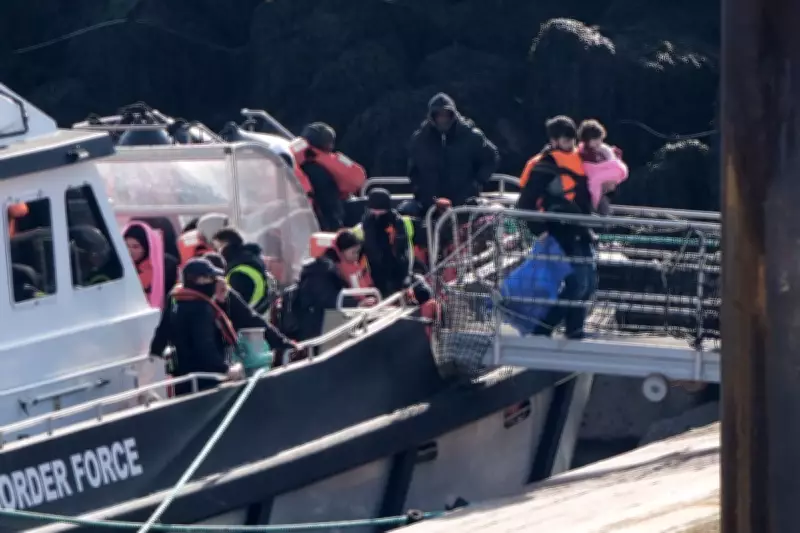
Migrants have arrived in the United Kingdom after successfully crossing the English Channel, marking the first such incident in two weeks. The crossing occurred on Wednesday, February 25, 2026, with individuals disembarking from a Border Force vessel at the compound in Ramsgate, Kent.
Details of the Latest Crossing and Monthly Statistics
Photographs from the scene depict people wearing lifejackets and coats as they were brought ashore following a small boat incident. This event represents the initial crossing since February 9, when 322 individuals undertook the perilous journey. So far in February 2026, the total number of migrants who have crossed the Channel stands at 597.
Reform Party's Controversial Mass Deportation Proposal
The arrival coincides with heightened political rhetoric surrounding immigration. Reform Party figure Zia Yusuf has recently characterized the situation as an "invasion" by migrants, while advocating for the party's proposed mass deportation programme. Under a hypothetical Reform government, the initiative would establish a dedicated unit tasked with tracking down, detaining, and deporting individuals residing in the country illegally. The ambitious annual target for this programme is set at up to 288,000 people, which Yusuf claims would constitute the largest deportation effort in UK history.

Independent Inquiry into 2021 Channel Tragedy Calls for End to Crossings
This development follows the recent publication of a costly independent inquiry into the deadliest Channel crossing on record. The investigation, led by Sir Ross Cranston and costing over £7 million, examined the tragedy that occurred overnight on November 23-24, 2021. On that occasion, a crowded inflatable boat capsized, resulting in the deaths of 27 men, women, and children, with four individuals still missing. Only two survivors were found in French waters nearly twelve hours after initial distress calls.
The inquiry's findings were damning, identifying "systemic failures, missed opportunities," and "chronic staff shortages" within the UK's maritime response system. These shortcomings were found to have directly contributed to the failure to rescue those in peril. Sir Ross Cranston concluded that "some of those deaths were avoidable" and issued a stark warning: "The practice of small boat crossings must end. Apart from other reasons, it is imperative to prevent further loss of life."
The resumption of crossings after a two-week pause underscores the ongoing challenges faced by authorities and the continued human cost of the Channel route, against a backdrop of intense political debate and calls for systemic reform.