Canadian Mother and Daughter with Autism Held by ICE in Texas Amid Visa Dispute
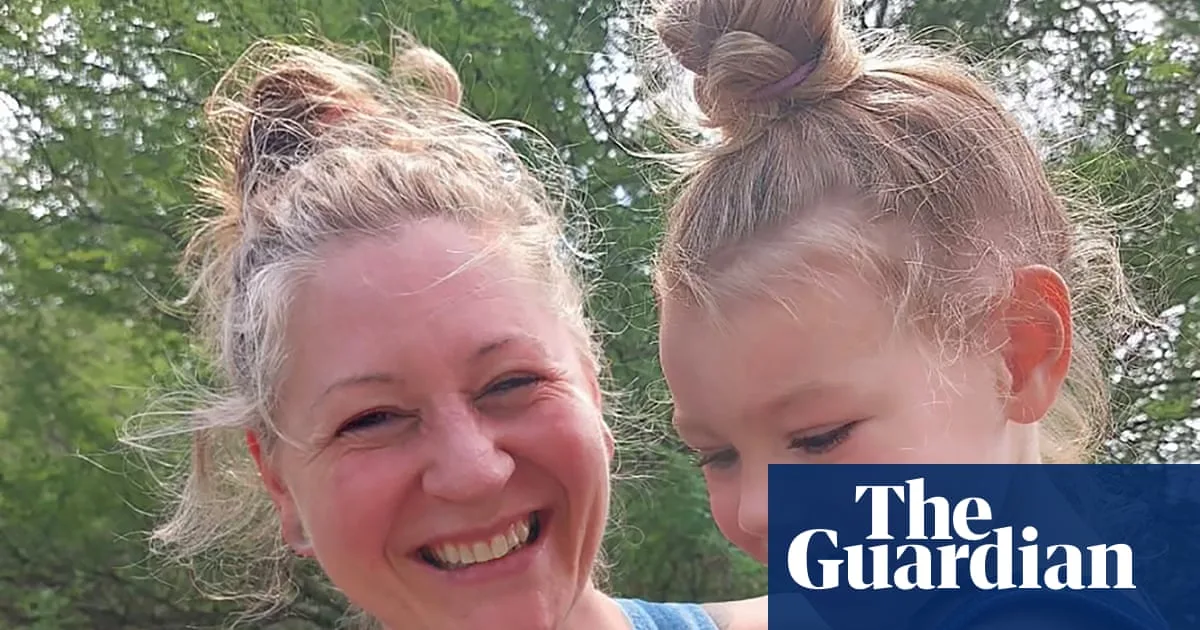
A Canadian mother and her seven-year-old daughter, who has autism, have been detained by US Immigration and Customs Enforcement (ICE) in Texas since Saturday, according to family members. Tania Warner and her daughter Ayla Lucas were taken into custody at a border patrol checkpoint in Sarita, Texas, while driving home from a baby shower on 14 March.
Edward Warner, Tania's husband and a US citizen, reported that he presented his identification, and Tania provided her Texas driving licence, work visa, and official visa. ICE agents initially took Tania for fingerprinting under the pretext of gathering more information, but she never returned. Subsequently, agents also took Ayla for fingerprinting, and she too was detained.
Family Claims Unlawful Detention Despite Valid Documentation
Relatives assert that the detention is unlawful, as Tania Warner possesses a functional visa valid until 2030 and a social security card, categorising her as a Lawful Alien Allowed to Work. Amber Sinclair, Tania's cousin and a dual Canadian-US citizen, expressed confusion over the detention, noting that Tania had paid for professional processing assistance to ensure her paperwork was correct.
Sinclair highlighted that ICE checkpoints have become frequent in Kingsville, Texas, where the family resides, due to its proximity to the Mexican border. She fears potential deportation and separation from Edward and the rest of the family, along with the loss of Tania's job.
Poor Conditions at Notorious Detention Centre
The pair are being held at the Rio Grande Valley Central processing centre in McAllen, Texas, a facility known for its harsh conditions. Edward Warner described the situation as scary and really frustrating, citing reports from phone calls that Tania and Ayla are enduring overcrowded, loud, and stressful environments.
He detailed that Tania has had to use a floor mat for warmth, and the food quality is terrible, exacerbating concerns for Ayla's well-being given her autism.
Limited Consular Assistance and Legal Struggles
Global Affairs Canada confirmed awareness of multiple cases involving Canadians in US immigration detention but stated that consular officials cannot exempt citizens from local legal processes due to privacy constraints. Edward Warner was informed by the Canadian consulate in Texas that assistance would only be provided if Tania and Ayla sought to return to Canada.
In response, Edward has launched a GoFundMe campaign to raise funds for legal representation, as the family scrambles to secure adequate resources.
Expert Criticism of US Immigration System
Audrey Macklin, an immigration and refugee law professor at the University of Toronto, emphasised that detaining children, even briefly, can cause traumatic and long-lasting effects. She urged Canadian representatives to request visits and legal counsel for the family, noting that this case raises concerns about Canada's obligations to its nationals abroad.
Macklin added that individuals relying on documentation for work and residence in the US are particularly vulnerable to detention, labelling the system as cruel and describing the situation as akin to kidnapping with abusive, inhumane conditions.
This incident underscores ongoing issues within US immigration enforcement, highlighting the plight of lawful residents caught in bureaucratic disputes.