
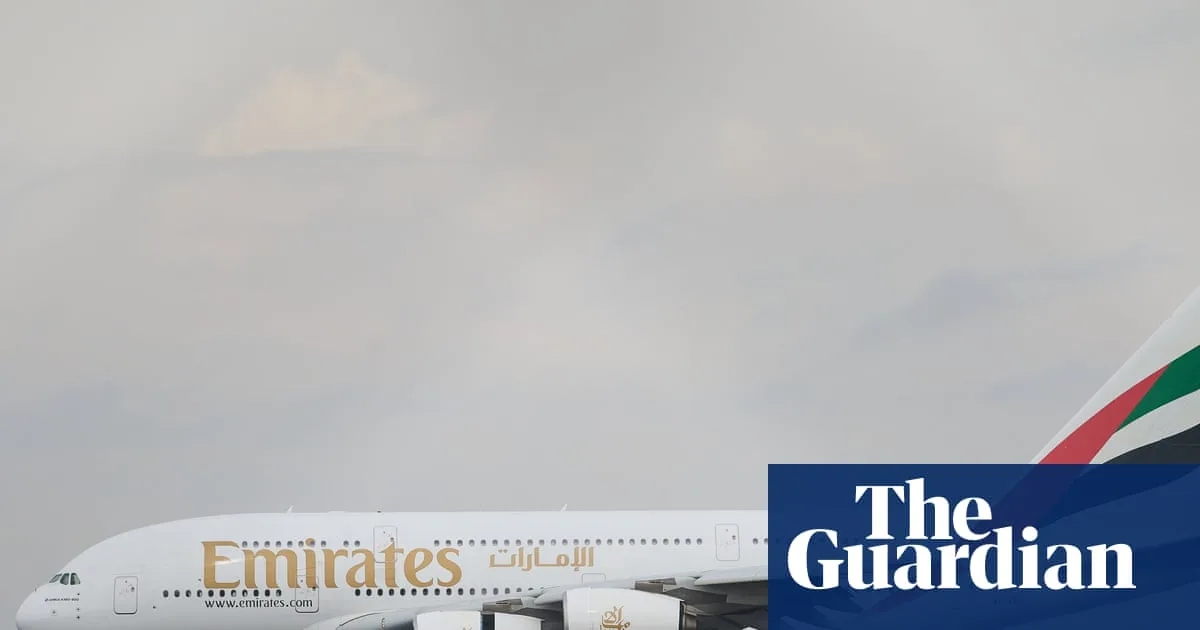
Wealthy British nationals fleeing the conflict in the Gulf are opting to wait out missile attacks in Ireland and France rather than return to the UK, in a bid to avoid hefty tax bills from HM Revenue and Customs (HMRC). With only three weeks left in the current financial year, many high-net-worth individuals who had been living in the United Arab Emirates and neighbouring countries have already used up their allowed days in Britain without incurring tax liabilities.
Some are seeking guidance from HMRC on whether they would be granted an extra 60 days under an “exceptional circumstances” provision, similar to that applied during the Covid-19 pandemic. However, tax advisers warn that such relief is unlikely. Nimesh Shah, chief executive of advisory firm Blick Rothenberg, said: “I’ve had a disproportionate number of calls from people wanting to leave the UAE in recent weeks. I’ve told them not to rely on any exceptional circumstances provisions from HMRC. I can’t imagine HMRC are very sympathetic here.”
For those who have been non-resident for fewer than five years, returning to the UK could trigger not only income tax for the current year but also capital gains tax on any assets or businesses sold during their absence. One very wealthy business owner told the Guardian he was spending time in Dublin until after 5 April, when the 2025-26 tax year ends. “I’m happy to pay income tax and tax on investments next tax year, but I don’t want the sale of a business that I sold years ago to fall within UK capital gains tax,” he said.
The number of days an individual can stay in the UK without becoming tax resident depends on several tests, including ties such as accommodation, a spouse or children in the country. For many who left in recent years, this can mean as few as 45 days. David Little, a partner at Evelyn Partners, noted: “Even a few extra days in Britain can have major consequences,” with worldwide income and investment gains potentially becoming taxable.
Travel guidance is also a factor. The UK government’s advice for affected countries such as Bahrain is against “all but essential travel”, but HMRC’s exceptional circumstances provision would only apply if the Foreign Office advises “no travel” at all. Tax advisers therefore caution that those fleeing the conflict should not expect leniency from HMRC.




