
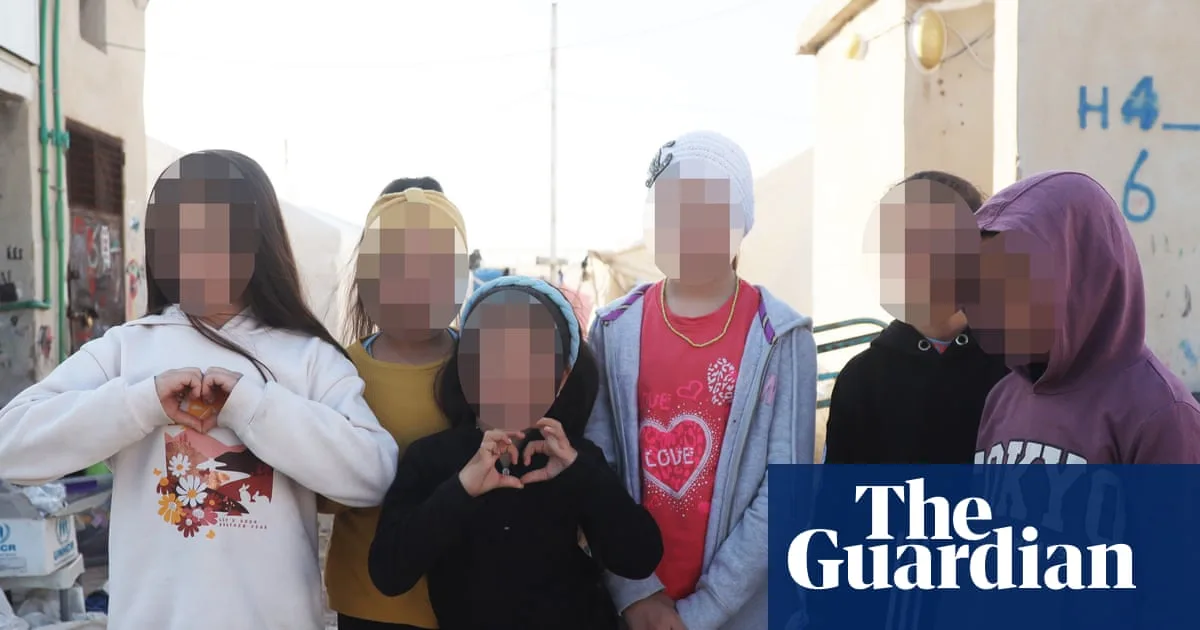
Australian women detained in north-east Syria over links to Islamic State fighters have said they would accept separation from their children if it meant the children could return to Australia. Some of the 11 mothers held in the Kurdish-controlled al-Roj camp stated on Monday that they wanted the Australian government to repatriate their children at any cost, even if it meant placing them with relatives at home while they remained behind.
The women described the psychological state of the 23 children, some as young as six, as regressing due to years of detention. Zahra Ahmad, a mother of three from Melbourne who has been in Syrian camps since at least 2019, reported that her children suffer night terrors and that her second eldest son bites his fingers until they bleed. Other mothers expressed reluctance to be separated from their children but acknowledged the growing desperation.
The families’ hopes were dashed after a failed repatriation attempt last week. Kurdish authorities briefly released the women and children to travel to Damascus, but the convoy was turned around after Syrian government intervention, stating that the relatives had not coordinated properly. The Australian government has refused to assist their return, opposing repatriation of the women and children, who are wives and offspring of suspected IS fighters.
Rights groups have warned that arbitrary detention violates the detainees’ rights and that conditions in the squalid tent camp are unsuitable, particularly for children at risk from extremist influences and harsh weather. Eleven-year-old Baidaa broke down in tears when asked about the failed attempt, saying, “I just want to be free and live in houses and live a normal life.”
The urgency of repatriation has increased after the Syrian government took control of al-Hawl camp last month, where thousands of foreign women and children were evacuated to unknown locations, raising fears of trafficking and recruitment. The future of al-Roj remains uncertain, with Kurdish officials suggesting it might be closed, though the camp’s security head denied knowledge of such plans.




