
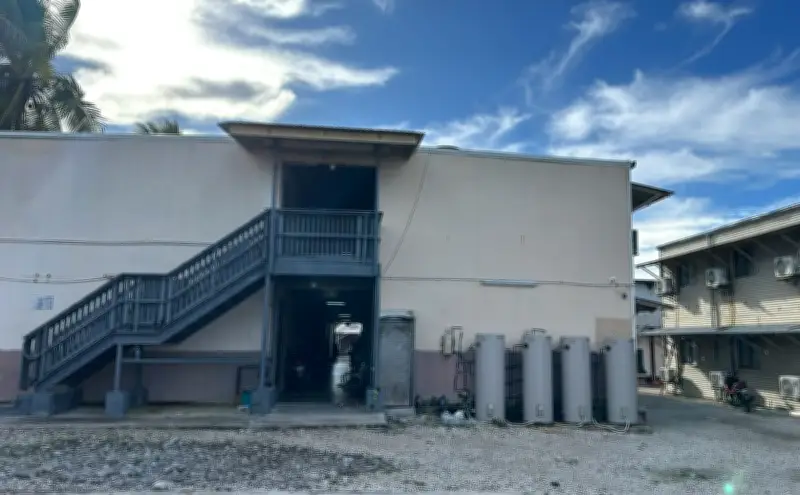
Australia spent more than $9.6 million per asylum seeker held on Nauru in the last financial year, yet a new survey reveals that most of the more than 100 people awaiting processing on the tiny Pacific island cannot afford enough food or access clean drinking water. Many are skipping meals to make ends meet, according to a survey by the Asylum Seeker Resource Centre (ASRC).
Survey Reveals Widespread Hardship
The ASRC survey, conducted between February and April, found that all but one of the 78 respondents said the Australian government's fortnightly payment of $260—intended to cover food, water, supplies, phone credit, and internet—was insufficient to prevent hunger. Nauru's population of about 13,000 relies heavily on imported goods, with over 90% of food imported. Prices fluctuate due to availability and trade disruptions; vegetables like tomatoes, capsicums, and onions cost about $18 per kilogram, up to three times the price in Australia.
Rakib*, a man in his 20s who has been on Nauru for 2.5 years after attempting to reach Australia by boat, described the situation as dire. The cost of a single banana has risen from $1.50 to about $4, and there has been a recent shortage of rice, an affordable staple. "We have been told that it might take two to three months for the next ship with rice to arrive, so we don't know how will we survive in the meantime," Rakib said through a translator. He added, "I think it would be better if they kill us, or if we die. Because, you know, like when you die, you get peace."
High Costs and Limited Support
The Australian government spent $971.6 million on offshore management for unauthorized maritime arrivals in the 2025-26 financial year, according to a home affairs portfolio budget statement. This equates to approximately $9.6 million per person. The US private prisons operator MTC Australia will receive $791.2 million over five years to operate the offshore processing center, while International Health and Medical Services will get $106.5 million over three years for medical services. In December 2025, the government raised the fortnightly stipend from $230 to $260, but the ASRC survey indicates it remains inadequate.
The minimum 28GB monthly data plan with Digicel, the main internet and mobile provider, costs $112—about 20% of the monthly allowance. This leaves little for food and other essentials. One asylum seeker quoted in the ASRC report claimed some had resorted to fishing to supplement meals, but their nets were stolen three times. "We bought a fishing net to try and supplement the food but our nets were stolen and broken three times. We had put the net outside due to the smell, and local Nauruans came and stole it," the person said. "We planted fruit but unfortunately, all the fruit was stolen. Even my shoes got stolen."
Water and Accommodation Issues
Access to safe drinking water is another challenge. Nauru has no rivers or freshwater lakes and relies on rainwater harvesting and reverse osmosis desalination. The ASRC survey found that 82% of respondents said they did not have access to clean drinking water. Rakib said his accommodation has a rainwater tank used for showering, cooking, and drinking, but the water must be boiled and stored. "The water tank was not clean for the last two and a half years," he said. "As we don't have money, we cannot buy good-quality water."
The survey also reported substandard accommodation facilities. The island's group of refugees and asylum seekers mostly come from China, Bangladesh, and Pakistan, and attempted to arrive in Australia by boat after 2023. Under longstanding bipartisan government policy, they will never be permanently resettled in Australia, even if found to be refugees. They must wait for Australia to strike a deal with another country to take them in. While the offshore processing centre was empty in mid-2023, a stream of arrivals since has left about 100 people in limbo.
System 'Completely Broken'
Jana Favero, the ASRC's deputy chief executive, said the new report's findings show the offshore detention system is "completely broken." "Even the most basic standards of safety and human dignity are not being met, and there is no excuse," she said. "We know we are responsible and that this system destroys people's physical and mental health, and now we have evidence that people are also being deprived of enough food to eat."
A home affairs spokesperson said the management of individuals, including refugee status determination, is Nauru's responsibility. The spokesperson said allowance payments are "reviewed regularly to ensure it remains fit for purpose" and are "based on the local cost of living and is designed to promote self-sufficiency while the transferees are living in the community." The spokesperson added, "People transferred and accommodated under regional processing arrangements are treated with respect and dignity and in accordance with human rights standards."
*Name has been changed.




