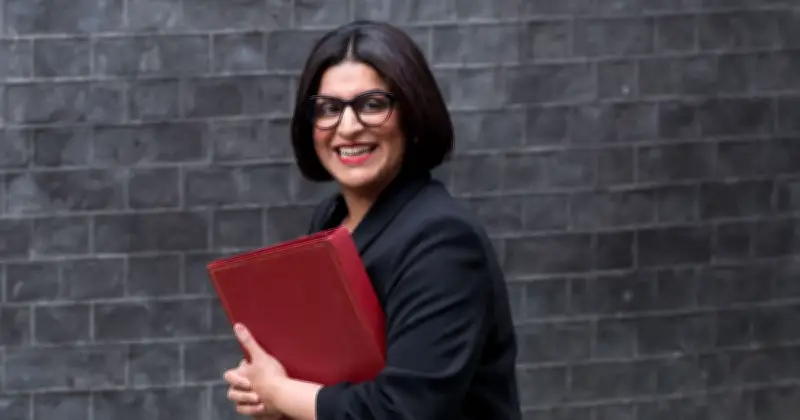
Home Secretary Shabana Mahmood has unveiled controversial plans requiring asylum seekers to pay up to £10,000 towards the cost of their accommodation if their claims are successful. The policy, which will be detailed in the Immigration and Asylum Bill presented to Parliament on Tuesday, June 30, is designed to recoup some of the £4 billion spent annually on asylum support.
How the repayment system would work
Under the proposals, asylum seekers granted the right to work after a successful claim will be required to repay their accommodation costs through a system similar to student loan repayments. Payments would be deducted from benefit allowances. Sources confirmed that refugees who fail to repay the full amount would be barred from obtaining settlement rights in the UK. Additionally, anyone leaving the UK would need to clear their debt before being allowed to return in the future.
The expected charge is around £10,000 per person, though the Home Secretary retains the power to adjust the amount and thresholds as officials work to reduce the asylum system's £4 billion annual cost.
Government defends the policy
Speaking about the plans, Ms Mahmood said: "The cost of asylum accommodation on the British taxpayer is too high. We have already reduced asylum costs by £1bn, but it is also right that we ask those who can contribute to do so. Receiving asylum support is a right, but it is also a responsibility. Once people can contribute and repay the generosity of the British people, we expect them to do so."
The Government reported spending £4 billion on accommodation and support for asylum seekers last year. According to the Home Office, the average cost per person per night is £23.25 in dispersal accommodation and £144 in hotels. Subsistence payments range from £9.95 to £49.18 per person per week.
Expert raises concerns about effectiveness
Dr Madeleine Sumption, director of the Migration Observatory at the University of Oxford, questioned the policy's potential impact. "The data suggests that unless thresholds were significantly below the minimum wage, a relatively small share of people granted asylum would earn enough to make contributions to the scheme," she said. "The impact of the scheme on public finances is likely to be relatively small, because it is a means-tested payment for a very low-income population."
Dr Sumption also warned of possible unintended consequences, such as discouraging asylum seekers from taking up accommodation if they can find alternative support, or discouraging them from working once granted refugee status due to a higher effective tax rate. She noted that the flat £10,000 repayment may not reflect actual costs, which vary widely. For instance, a person waiting a year in a hotel would cost over £50,000, while someone in cheaper HMO accommodation waiting six months would cost under £6,000.
Accompanying measures to close asylum hotels
Alongside the repayment plan, the Labour Government is intensifying efforts to close asylum hotels by moving migrants into houses, flats, bedsits, and former military sites across communities. This forms part of a broader strategy to reduce the reliance on expensive hotel accommodation.
The Immigration and Asylum Bill, which introduces the powers needed to recover costs, is set to be debated in Parliament. The public is being invited to share their views on the proposals through a poll conducted by the Express.