
The United States and Iran have announced a peace deal, but many details remain unknown. The agreement, hailed by President Donald Trump and Iranian officials, aims to end the war on Iran and reopen the Strait of Hormuz. However, key issues such as Iran's nuclear program and the situation in Lebanon are still unresolved.
Strait of Hormuz
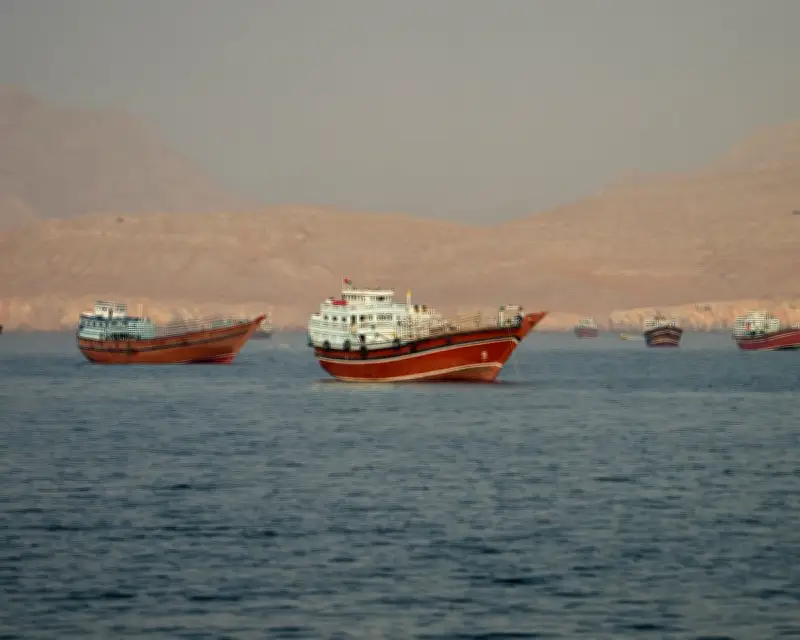
Trump declared the reopening of the Strait of Hormuz, a critical waterway for global oil shipments, but later stated it is contingent on a deal signing scheduled for Friday. Pakistan's Prime Minister Shehbaz Sharif, the mediator, did not mention the strait in his initial announcement. Iran's Mehr news agency reported that the memorandum of understanding calls for reopening within 30 days under Iranian arrangements. The US has insisted on unconditional freedom of navigation, and European leaders emphasized the same. Global oil prices fell sharply despite warnings that restoring energy production could take months or years.
Lebanon
Iranian officials stated the deal includes an immediate end to hostilities on all fronts, including Lebanon. However, Trump did not mention Lebanon in his announcements. Israel, not party to the negotiations, has not responded. An Israeli attack on Beirut reportedly delayed the signing. Trump has previously criticized Israeli Prime Minister Benjamin Netanyahu's military operations in Lebanon.
Iran's Nuclear Program
The fate of Iran's nuclear program remains unresolved. Trump reiterated that Iran will never have a nuclear weapon, but Pakistani officials indicated nuclear talks will continue for 60 days. Trump warned of possible military action if no nuclear deal is reached. European leaders offered sanctions relief in exchange for verifiable steps by Iran. Iran maintains its program is peaceful and has not committed to giving up enriched uranium. The upcoming broader negotiations will likely address the uranium stockpile.




