Unionist Bloc Could Secure Holyrood Majority in Tight Scottish Election
Unionist Parties May Form Holyrood Majority in Close Poll

Unionist Parties Poised for Potential Majority in Tight Holyrood Election

A comprehensive new poll suggests that unionist parties could secure a narrow majority in the Scottish Parliament following the May 7 election, with more than half of all constituencies considered marginal battlegrounds. The survey, conducted exclusively for More in Common and obtained by the Press Association, indicates that while the SNP will remain the largest party, it may fall just short of a governing majority when combined with the Scottish Greens.

Detailed Polling Methodology and Projected Seat Changes

The major multilevel regression with post-stratification (MRP) poll interviewed over 5,000 Scottish voters between February 4 and April 10, analyzing voter intentions, demographic factors, historical voting patterns, and constituency-specific information. According to the projections, the SNP would drop to 56 seats from their current 64, while Reform UK would surge into second place with 22 seats. Labour would fall to third position with 17 MSPs, and the Scottish Conservatives would decline significantly to just 12 seats compared to their 2021 total of 31.

The Liberal Democrats are projected to make substantial gains, jumping to 14 MSPs with eight of those coming from constituency victories. Alex Cole-Hamilton's party is expected to capture the two most northern mainland seats in Caithness, Sutherland and Ross and Skye, Lochaber and Badenoch, which were previously held by deputy first minister Kate Forbes before she stepped away from frontline politics.

Wide Pickt banner — collaborative shopping lists app for Telegram, phone mockup with grocery list

Regional Dynamics and Constituency Battles

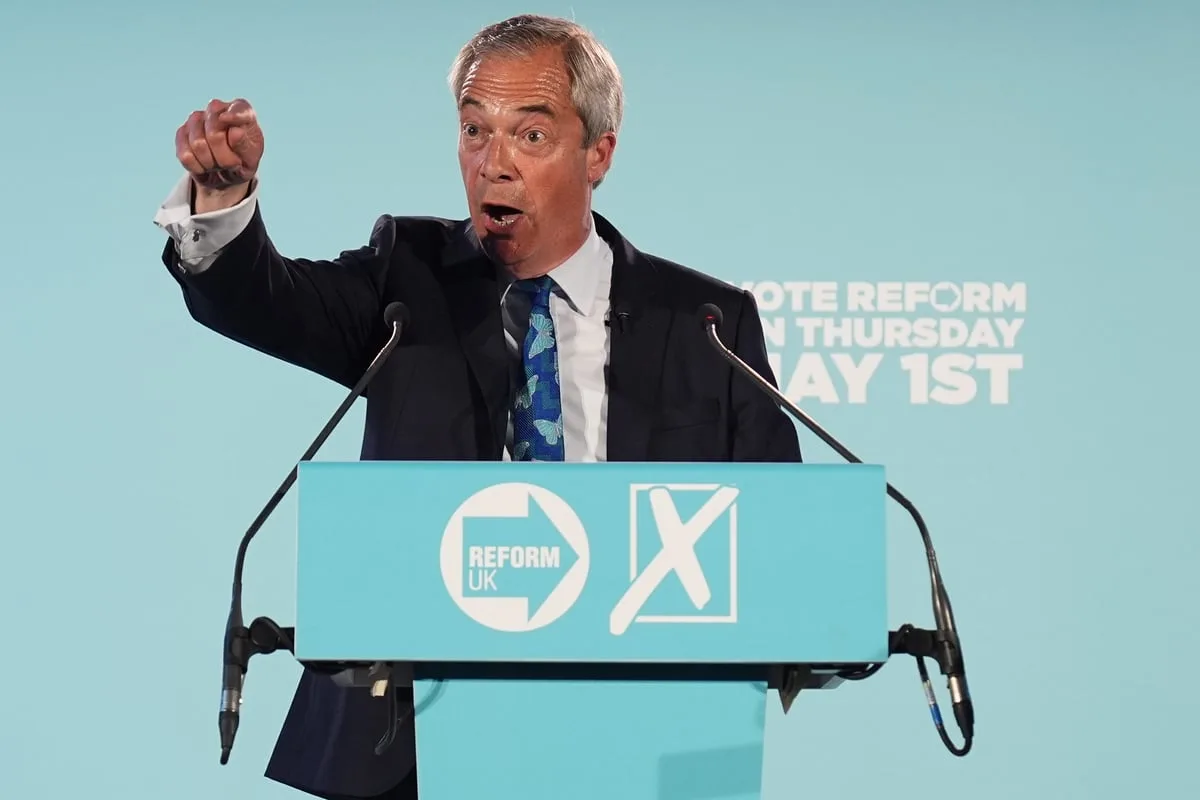
Reform UK, according to the polling data, could win two constituencies by taking Ayr and Banffshire and Buchan Coast from the SNP. Nigel Farage's party emerges as the strongest performer on the regional list, securing at least two MSPs in every area and up to four in West Scotland. The Scottish Greens are projected to claim eight seats, including their first-ever constituency victories in Glasgow Kelvin and Maryhill, Edinburgh North Eastern and Leith.

More in Common's analysis reveals that 39 of Scotland's 73 constituency seats are considered marginal, defined as having at least two parties within five percentage points of each other. This creates unprecedented uncertainty in what has become a six-party political landscape across Scotland.

Potential Government Formation Scenarios

The polling results suggest significant implications for government formation. For nearly two decades, the SNP has relied on Scottish Green support to pass major legislation, but if these projections prove accurate, First Minister John Swinney would need to seek alternative partners. The position of first minister is filled by a vote of MSPs, which has been largely ceremonial in recent years but could become contentious with a potential 65-strong unionist bloc that might deny the SNP access to Bute House.

Reform UK's strong showing raises the possibility that their Scottish leader Malcolm Offord could make a case to become first minister, though such a move would require unanimous support from all anti-independence parties, which appears unlikely given current political dynamics.

Political Reactions and Campaign Implications

Luke Tryl, More in Common's UK director, emphasized the uncertainty created by the fragmented political landscape, stating that results are "all to play for" in the closing weeks of the campaign. He noted that the SNP appears to be suffering from "the curse of incumbency" after nearly two decades in power, though they benefit from further fragmentation of the unionist vote.

Scottish Labour deputy leader Jackie Baillie argued that "after 20 years of SNP government, Scotland needs change," citing crises in the NHS, declining educational standards, and rising crime rates. Liberal Democrats campaign chairwoman Wendy Chamberlain highlighted her party's "relentlessly positive campaign" focused on healthcare access and cost of living issues, while Greens co-leader Gillian Mackay emphasized her party's potential to deliver progressive environmental and social policies.

Pickt after-article banner — collaborative shopping lists app with family illustration

A Scottish Conservative spokesman warned that "a vote for Reform will only help the SNP remain in power for another five years," suggesting John Swinney would use any majority to demand another independence referendum. Meanwhile, SNP campaign director Angus Robertson described the poll as "encouraging" while acknowledging "no room for complacency," stating that "a historic SNP majority is all to play for" which would secure independence and "lock Nigel Farage out of power in Scotland."




