
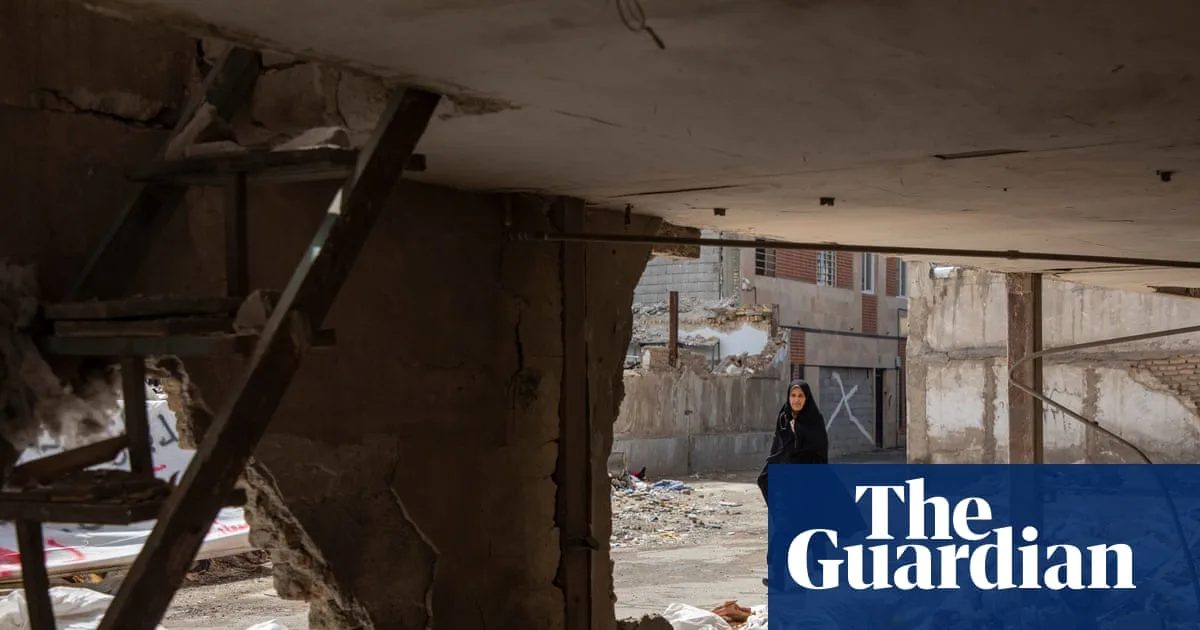
Less than a month after hailing a ceasefire, President Donald Trump has ordered a resumption of strikes against Iranian military and infrastructure targets, a move that experts warn could prolong the conflict and harm Republican prospects in the upcoming midterm elections. The ceasefire, agreed via a memorandum of understanding signed at the Palace of Versailles on 17 June, was intended to pave the way for negotiations on Iran's nuclear programme and the reopening of the Strait of Hormuz. However, Trump concluded the deal was dead in the water after Iran retaliated against US allies in the Gulf.
The decision to restart hostilities has drawn sharp criticism from isolationist conservatives, who view the war as unpopular with voters due to its inflationary impact on fuel and living costs. Curt Mills, executive editor of the American Conservative, described the move as a 'total loser' for Republicans, suggesting it shows Trump does not care about the midterms. The conflict, which began on 28 February, has already caused global oil prices to soar after Iran closed the strategically vital Strait of Hormuz.
Experts warn that the escalation could lead to a land invasion of Iranian territory, resulting in the kind of 'forever wars' Trump previously condemned. Nate Swanson, a former state department and White House adviser on Iran, said the escalation has already exceeded expectations and is highly risky, with potentially devastating consequences. At the heart of the renewed violence is control over the Strait of Hormuz, which Tehran uses as a bargaining chip to resist pressure on its nuclear programme and support for proxies like Hezbollah.
The original ceasefire deal involved Iran reopening the strait in exchange for significant sanctions relief, including the right to sell oil and unfreeze billions of dollars in assets. However, ambiguities in the memorandum, which made no mention of shipping lanes, led to misunderstandings. Iran fired on commercial vessels from Gulf kingdoms after they used a shipping lane near Oman’s coast instead of Iranian-controlled routes. Some analysts blame poor US negotiating, while Vali Nasr of Johns Hopkins University argued that the collapse was a miscalculation by both sides, but suggested Trump may have intended this outcome all along.




