
Thailand goes to the polls on Sunday to elect its fourth leader in three years, with the progressive People's Party ahead in opinion polls. The vote takes place amid a border crisis with Cambodia and follows a decade of political instability marked by short-lived governments toppled by the military and the courts.
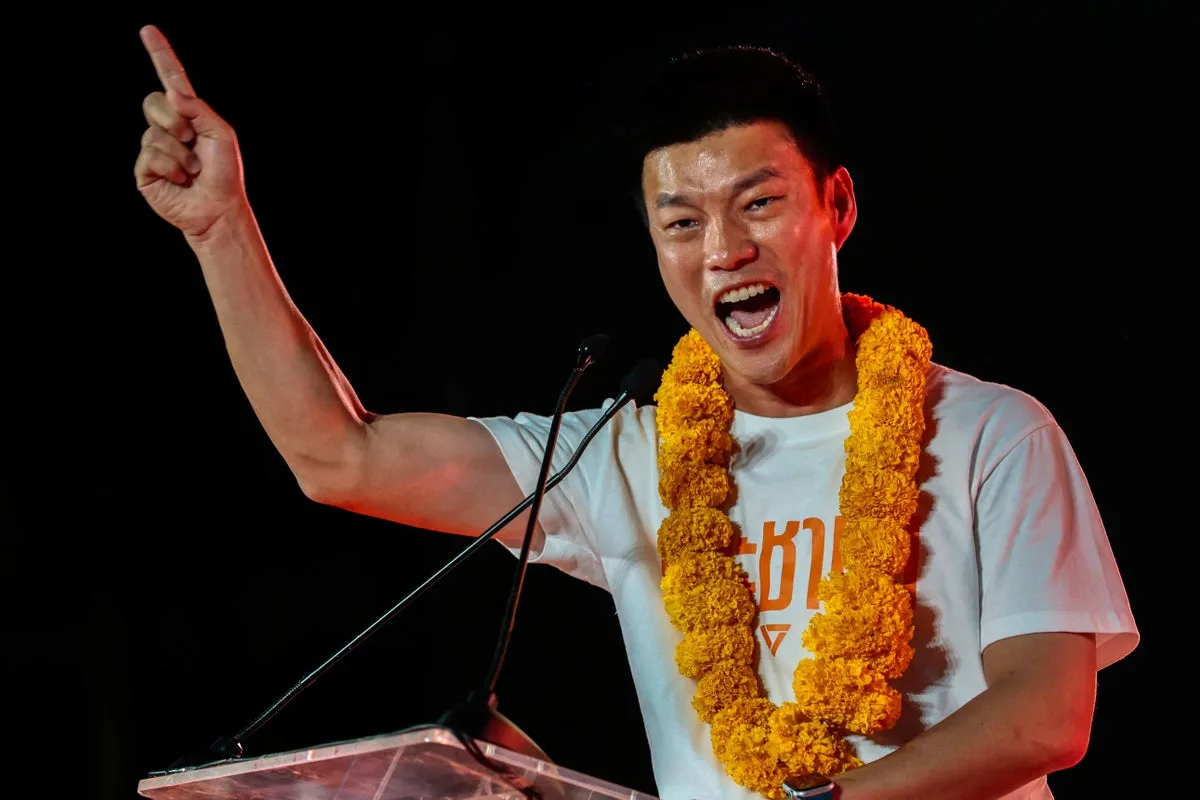
Two opinion polls released last week showed the opposition People's Party in pole position, with its prime ministerial candidate Natthaphong Ruengpanyawut the top choice nationwide. The 38-year-old's youth is seen as a key factor in his popularity. Caretaker Prime Minister Anutin Charnvirakul, 59, faces a strong challenge to his hold on power.
Thailand's democratic credentials remain under scrutiny. The country has experienced 12 successful coups since 1932 and has held two elections since the latest transition from military rule in 2019. V-Dem classifies it as an electoral autocracy, while Freedom House rates it "Not Free", citing the dissolution of the Move Forward Party and the removal of Prime Minister Srettha Thavisin by the Constitutional Court in August 2024.
The snap election was called after Charnvirakul dissolved the lower house of parliament on 12 December to prevent his Bhumjaithai Party's minority government from being ousted in a no-confidence vote. He had taken office in September after Paetongtarn Shinawatra was removed by the courts over a leaked phone call with a Cambodian leader. The election is a three-way fight between the royalist-military establishment, the progressive opposition and the populist Pheu Thai Party linked to the Shinawatra clan.
More than 53 million eligible voters will elect the 500-member House of Representatives, with 400 seats decided by constituency races and 100 allocated by proportional representation. Parties may submit up to three prime ministerial candidates. The newly elected lawmakers will vote for the next prime minister, with a simple majority needed to win but close to 270 votes required for a stable government. Unlike the 2023 election, the Senate will have no say in the choice, after the military-appointed upper house's veto power expired in 2024.
Voters will also decide via referendum whether to replace the 2017 constitution drafted under military rule. The ballot asks: "Do you approve that there should be a new constitution?" with options "Yes", "No" or "No opinion". A majority "Yes" would give parliament a mandate to draft a new charter, while "No" would leave the current constitution intact. Two previous referendums, in 2007 and 2016, sought approval for drafts written after military coups.




