

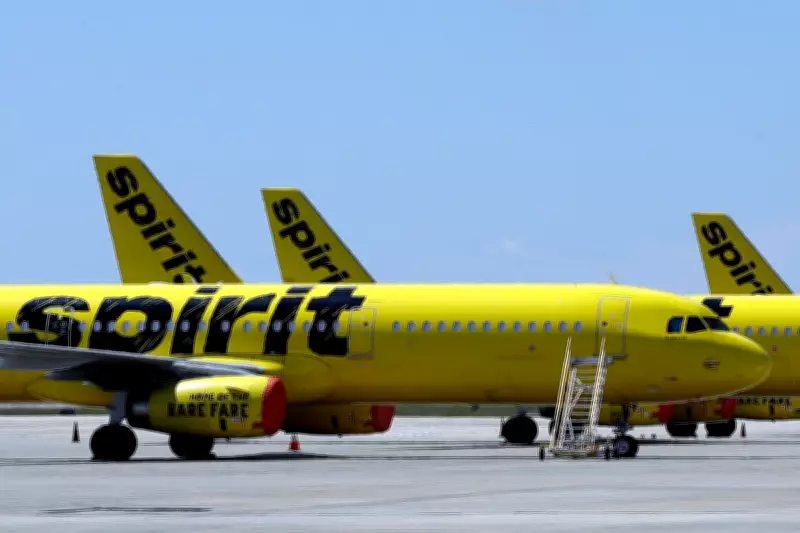
Spirit Airlines' parent company has announced it expects to exit Chapter 11 bankruptcy protection by late spring or early summer, following a preliminary deal struck with lenders and secured creditors. This agreement provides crucial support to finalise the airline's restructuring efforts, aiming to transform it into a more competitive entity.
Restructuring Towards a "New Spirit"
The early-stage agreement is designed to help Spirit Airlines complete significant changes to its fleet, route network, and cost structure. The goal is to emerge as "a new Spirit"—a smaller, leaner carrier that maintains its focus on low fares while introducing enhanced options. These include premium economy seating and a version of first-class with additional legroom, broadening its appeal to American consumers.
CEO's Vision for the Future
CEO Dave Davis emphasised the airline's direction, stating, "Spirit will emerge as a strong, leaner competitor that is positioned to profitably deliver the value American consumers expect at a price they want to pay." This vision underscores the company's commitment to balancing affordability with improved service offerings as it navigates its financial recovery.

Background of Financial Struggles
Spirit Airlines filed for fresh bankruptcy protection in August, just months after emerging from a previous Chapter 11 reorganisation. Davis explained that the initial bankruptcy petition focused on debt reduction and capital raising. However, after exiting that process in March, it became evident that further restructuring was necessary to better position the airline for future challenges.
Operational Adjustments and Workforce Impact
Following its second bankruptcy filing within a year, the Florida-based company announced operational cutbacks, including suspending services in about a dozen U.S. cities and furloughing 1,800 flight attendants. These measures built on earlier furloughs and job cuts instituted before the first bankruptcy filing, reflecting ongoing pressures in the competitive airline industry.
Industry Pressures and Pandemic Aftermath
Low-cost carriers like Spirit have faced intense competition from larger airlines, which have introduced their own budget-friendly offerings. Known for its bright yellow planes and no-frills service, Spirit has endured a challenging period since the COVID-19 pandemic, grappling with rising operational costs and mounting debt. By the time of its first Chapter 11 filing in November 2024, the airline had accumulated losses exceeding $2.5 billion since the start of 2020.
The restructuring efforts aim to address these financial woes, with the preliminary lender deal serving as a pivotal step towards stabilising the airline's operations and ensuring its long-term viability in a tough market.






