

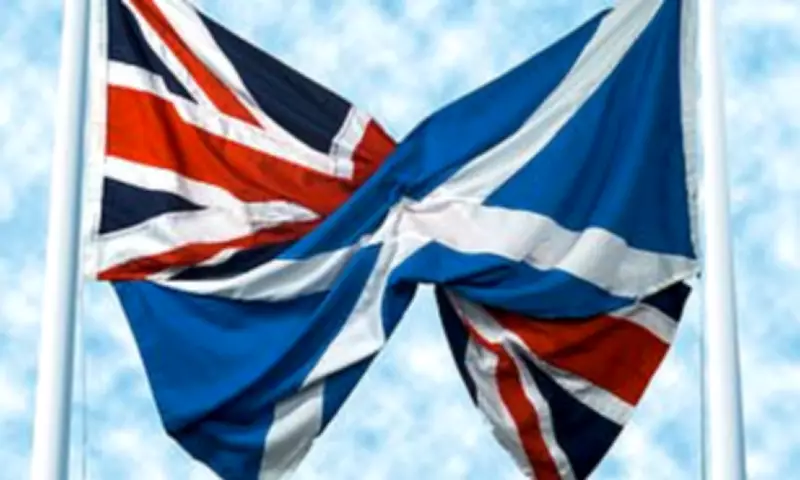
SNP Maintains Strong Lead in Scottish Election Polls
With less than a month remaining until the Scottish election, recent polling data reveals a striking trend. Despite facing numerous missed targets and scandals, the Scottish National Party (SNP) holds a comfortable lead. One survey this week positioned the party 24 points ahead, projecting it to secure 63 MSPs. Astonishingly, the extreme Scottish Greens were forecast to come second, creating a nerve-wracking political landscape.
Constitutional Quagmire Looms with SNP Majority
If John Swinney achieves an SNP majority by winning 65 seats, the next parliament could be plunged into another constitutional quagmire. Economists have issued increasingly desperate appeals for politicians to address the immediate crisis facing Holyrood post-election—a £5 billion budget black hole. However, if the SNP wins outright or relies on Green support, this looming financial disaster may be ignored in favour of nationalist politicking.
Unable to confront his own record and unwilling to moderate spending to fix public finances, Mr Swinney is likely to retreat to his comfort zone and demand a referendum. Many voters will adhere to long-held party allegiances, as is their right, but tactical voting to defeat the SNP may be unpalatable to some.

Unionist Tactical Voting Guide Released
Supporters of the Union have a higher cause to consider, prompting the publication of a comprehensive guide on how pro-UK voters can prevent another SNP victory next month. Produced in conjunction with the Scotland in Union campaign group, this guide sets out the best-placed pro-Union candidate in each of Scotland’s 73 constituencies. It is based on past election history, demographic data, opinion poll research, and specific local knowledge.
Scotland in Union did not make a recommendation for the regional list, instead backing voters to opt for their preferred pro-Union party on the peach-coloured ballot paper. An estimated two in five voters are open to tactical voting, and this interactive guide aims to help them make their vote count effectively.
Highlands and Islands Constituency Analysis
Argyll and Bute: Incumbent SNP candidate Jenni Minto faces a genuine threat due to unrest over the ferries fiasco. With the Lib Dems showing resurgence, former MP Alan Reid has a chance. Tactical vote: Lib Dem.
Caithness, Sutherland and Ross: SNP’s Maree Todd is regarded as one of the party’s least impressive ministers. Lib Dem David Green, a close aide of the late Charles Kennedy, could achieve the modest swing needed. Tactical vote: Lib Dem.
Inverness and Nairn: An SNP stronghold, but Fergus Ewing’s decision to stand as an independent after criticising the SNP-Green coalition has disrupted the race. Lib Dem Neil Alexander looks best placed to defeat SNP’s Emma Roddick. Tactical vote: Lib Dem.
Moray: With long-serving SNP MSP Richard Lochhead standing down, Tory Tim Eagle has a strong chance to snatch the seat from SNP’s Laura Mitchell. Tactical vote: Conservative.
Western Isles (Na h-Eileanan an Iar): A resurgent Labour threatens SNP dominance, with Lewis activist Donald MacKinnon aiming to replicate Torcuil Crichton’s 2024 Westminster success. Tactical vote: Labour.
Orkney Islands: Lib Dem Liam McArthur secured 62% of the vote in 2021 and is expected to hold off any SNP challenge. Tactical vote: Lib Dem.
Shetland Islands: Lib Dem Emma Macdonald, leader of Shetland Islands Council, is confident she can hold off SNP’s Hannah Goodlad, following Alistair Carmichael’s 2024 Westminster win. Tactical vote: Lib Dem.
Skye, Lochaber and Badenoch: With Kate Forbes standing down, Lib Dem Andrew Baxter is best-placed to challenge SNP’s Eilidh Munro, based on recent local election successes. Tactical vote: Lib Dem.
West Scotland Constituency Analysis
Clydebank and Milngavie: SNP’s Marie McNair won in 2021, but Labour’s Callum McNally has a good chance if pro-Union voters unite and avoid backing Reform UK. Tactical vote: Labour.

Cunninghame North: SNP’s Kenneth Gibson held comfortably in 2021, but Labour’s Matthew McGowan is best placed to challenge, following Irene Campbell’s 2024 Westminster win. Tactical vote: Labour.
Cunninghame South: With Ruth Maguire standing down, Labour’s Katy Clark could benefit from boundary changes and strong Westminster performances. Tactical vote: Labour.
Dumbarton: Labour’s Jackie Baillie has long appealed to pro-Union voters, but any significant support for Reform UK could swing the seat to SNP’s Sophie Traynor. Tactical vote: Labour.
Eastwood: Tory Jackson Carlaw’s strong local reputation makes him the clear candidate for pro-Union voters to rally around against SNP’s Kirsten Oswald. Tactical vote: Conservative.
Inverclyde: SNP’s Stuart McMillan won comfortably in 2021, but Labour’s Francesca Brennan is the closest rival; voters should avoid backing Reform UK or Lib Dem candidates to prevent an SNP hold. Tactical vote: Labour.
Paisley: Labour’s Neil Bibby seeks to oust SNP’s George Adam, with Labour targeting the seat after Westminster successes. Tactical vote: Labour.
Renfrewshire North and Cardonald: A split pro-Union vote helped SNP win in 2021, but Labour’s Mike McKirdy is best placed to challenge SNP’s Michelle Campbell post-boundary changes. Tactical vote: Labour.
Renfrewshire West and Levern Valley: With boundary changes, Labour’s Paul O’Kane could benefit from Tory voters backing him on the constituency vote. Tactical vote: Labour.
Strathkelvin and Bearsden: More voters supported pro-Union candidates than nationalists in 2021, yet SNP’s Rona Mackay won. Lib Dem Adam Harley is recommended, following Susan Murray’s 2024 Westminster win. Tactical vote: Lib Dem.





