
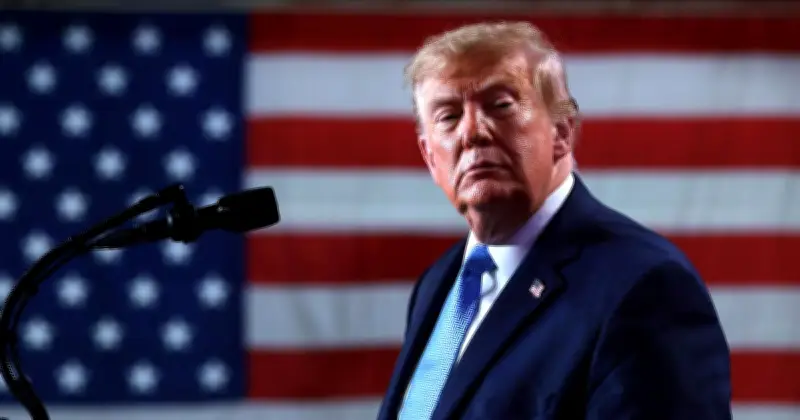
The Republican Party suffered a historic defeat in the 2026 midterm elections, losing control of both the House of Representatives and the Senate. Democrats secured their first Senate seat in Kansas in nearly a century, along with victories in North Carolina, South Carolina, Ohio, Georgia, and Maine. In Texas, James Talarico won his Senate race, ending decades-long Republican dominance in a state Trump carried convincingly in 2024.
Key Democratic wins
In Kansas, Adam Hamilton won the Senate seat, marking the first time the state has elected a Democrat since 1932. A major upset occurred in South Carolina, where Annie Andrew flipped the Senate seat, while Keisha Lance Bottoms became Georgia's first Black female governor and its first Democratic governor in over 20 years.
With control of Congress, the new Democratic leadership will have the authority to stall Trump's domestic agenda. However, Trump retains unilateral power over US foreign policy, trade, and military action.
The President told The New York Times he was "absolutely willing to accept those results," adding: "We'll work with the Democrats, and…we'll probably work something out." He remained more defiant on Truth Social, writing: "I wasn't on the Ballot and if I was, we would have won IN A LANDSLIDE!"
The Iran War factor
Trump's ongoing involvement in the Iran War has sparked public frustration. Data from Pew Research Center shows that around 65% of voters disapprove of his handling of the conflict.
Economic pressures
The ongoing war in the Middle East and disruptions in the Strait of Hormuz have spiked global oil prices, hitting US drivers at the pumps. Polling data revealed that eight out of 10 families report that gas increases have heavily strained their household budgets.
Trump's trade and tariff policies have also damaged his reputation ahead of the midterms, with many Americans linking his aggressive policies directly to the rising cost of living and inflation.
Military actions questioned
The US public has disapproved of Trump's military operations in Venezuela and the Caribbean Sea without congressional input. A CBS News poll found that over 75% of Americans believed the President had not adequately explained why the operations were necessary.




