
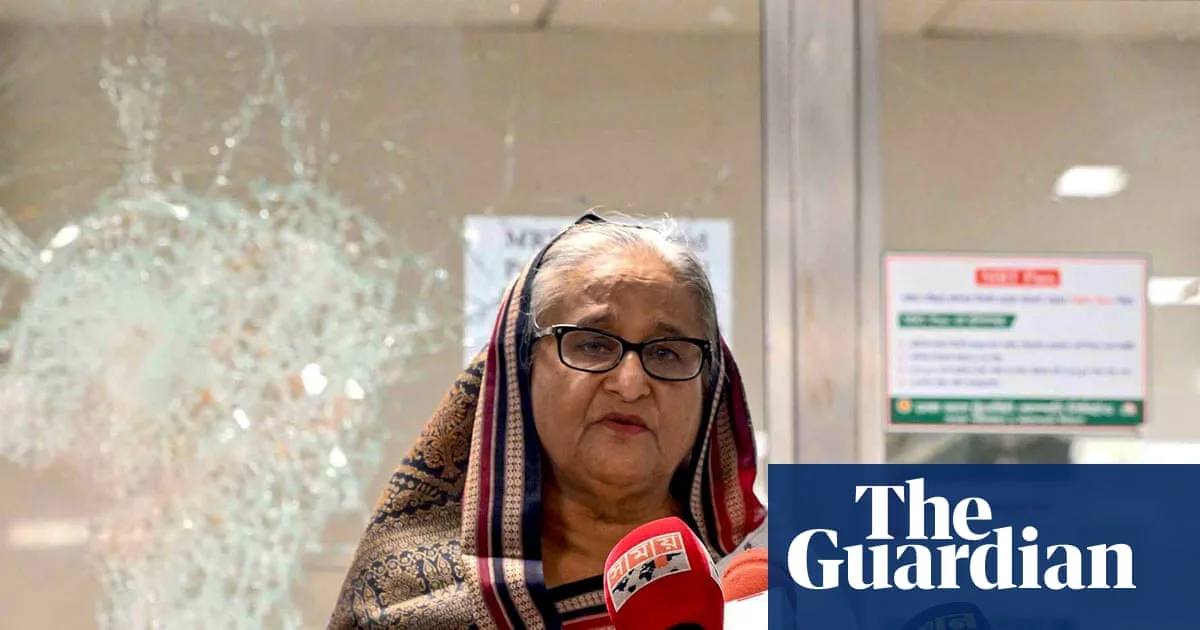
More than 16 months after fleeing to India following a popular uprising, ousted Bangladeshi Prime Minister Sheikh Hasina is actively plotting a political comeback from exile, denouncing the upcoming 12 February election as a 'sham' and mobilising supporters to disrupt it. Hasina, who faces a death sentence for crimes against humanity, dismissed the verdict as 'false' and continues to hold party meetings from a secret hideout in Delhi, with the Indian government ignoring Bangladesh's extradition requests.
Over 600 Awami League members have taken shelter in Kolkata, near the Bangladeshi border, where they face charges including crimes against humanity, murder, and sedition. The interim government, led by Nobel laureate Muhammad Yunus, suspended the Awami League in May last year, banning it from contesting the election. Party leaders, including former ministers, argue this undermines democratic legitimacy and have called for a boycott of the polls.
Hasina's party claims the election, touted as Bangladesh's first free and fair vote in over a decade, is illegitimate. 'We are telling our workers to avoid all involvement in the election,' said Jahangir Kabir Nanak, a former minister facing charges he denies. Meanwhile, Bangladesh's war crimes tribunal sentenced Hasina to death by hanging for crimes committed during her regime's final crackdown, which left up to 1,400 dead according to a UN report.
Despite the ban, Hasina remains hopeful. 'Our leader is very hopeful she will return to Bangladesh. We believe Sheikh Hasina will come back as a hero,' said Saddam Hussain, president of the Awami League's now-banned student wing. The Indian government, a former ally, has provided a crucial lifeline for the exiled party's activities, hosting frequent meetings between Hasina and senior leaders from Kolkata.




