

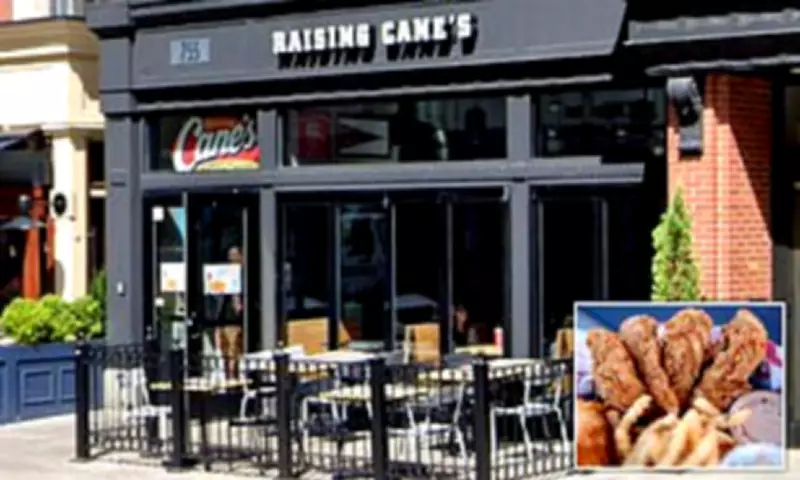
Raising Cane's Files Legal Action Against Boston Property Owner Over Eviction Dispute
Fast food giant Raising Cane's has initiated a lawsuit against its Boston landlord, alleging an unlawful attempt to evict one of its restaurants due to complaints about the 'offensive odor' of chicken fingers. The legal action, filed in Suffolk Superior Court on January 23, claims the property owner, 755 Boylston LLC, engaged in what the chain describes as an 'extortionate scheme' to force the restaurant out of the building.
Allegations of Lease Violations and Cover-Up Motives
According to the lawsuit, the landlord threatened to evict Raising Cane's because its establishment 'smells like chicken fingers.' However, the Louisiana-based chicken chain argues this reasoning is disingenuous. Instead, it asserts the eviction attempt is motivated by the landlord's interest in leasing the space to another fast food franchise, specifically Panda Express, which would violate their lease agreement prohibiting other chicken restaurants from opening in the building without prior approval.
The legal filings reveal that Raising Cane's occupies the first floor of the property, while the landlord recently reconverted the second floor into office space. The chain alleges the property owner has 'come to the realization that its own build-out of the second-floor office space was poorly executed,' and the goal to evict them is 'nothing more than an effort to cover up those failures.'

Financial Investments and Lease Terms at Stake
Raising Cane's claims it has invested significantly in the Boston location, which has been operational since 2022 and employs about 75 people. The restaurant states it has 'spent over $200,000 to date' to minimize any potential odors, including approving detailed plans for the landlord's ventilation system. The lease is set to run through 2037, with an option for an additional ten years, reflecting the chain's long-term commitment to the Back Bay location.
The lawsuit notes that the landlord informed Raising Cane's last August about Panda Express taking over an adjacent space, which the chain says breaches exclusivity provisions as Panda Express also serves chicken as a primary menu item. This alleged violation prompted Raising Cane's to cease complying with what it calls 'continued unreasonable demands' for additional spending on odor control in January.
Escalation and Legal Demands
Matters intensified when the landlord served Raising Cane's with a notice to quit on January 15, citing the 'repeated release and emitting of offensive and/or nuisance odors' as grounds for defaulting on the lease. In response, Raising Cane's is seeking a jury trial, claiming 'monetary harm' to its business. The chain demands a declaration that it has not violated the lease and that the agreement remains fully in effect.
Additionally, Raising Cane's is pursuing double or triple damages, reimbursement for attorneys' fees and costs, and any other relief deemed appropriate by the court. A spokesperson for the chain expressed disappointment, stating, 'We’re Chicken Finger fanatics - litigation is not what we do. We hate that we’re in this position and haven’t been able to come to terms with our landlord.' They added that they believe the situation can be resolved amicably to focus on their core business.
Broader Implications and Pending Responses
The case highlights tensions between commercial tenants and landlords over lease interpretations and property management. Raising Cane's accuses the landlord of being 'intentionally engaged in an effort to extort' them despite an 'unambiguous' lease, while the landlord's actions, as alleged, suggest desperation to secure new tenants amid renovation issues.
As of now, further comments from Heath Properties, associated with 755 Boylston LLC, and Raising Cane's attorneys Wayne Dennison and Rachel Feiden are pending. The outcome of this lawsuit could set precedents for similar disputes in the fast-food industry and commercial real estate sectors.






