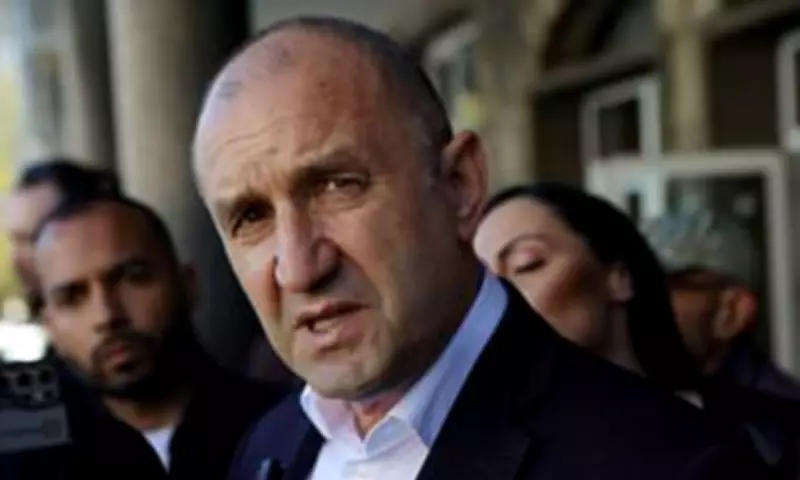
Pro-Russian Former President Secures Landslide Victory in Bulgarian Election
In a dramatic political development, a pro-Russian former president has won Bulgaria's recent election with a decisive landslide victory. This outcome signals a notable shift in the political direction of Bulgaria, a member of both the European Union and NATO, and comes just one week after Hungarian Prime Minister Viktor Orban faced a significant defeat in his own country's elections.
Election Results and Political Implications
The former president, known for his pro-Russian stance, garnered overwhelming support from voters, securing a majority that underscores growing sentiments within the nation. This victory is poised to reshape Bulgaria's domestic and foreign policies, particularly in its relations with Russia and Western alliances.
Bulgaria, as a key member of the EU and NATO, has historically balanced its ties between East and West. However, this election result suggests a potential tilt towards Moscow, which could have broader implications for regional stability and international diplomacy.

Context and Regional Comparisons
The timing of this landslide win is particularly striking, as it follows closely on the heels of Viktor Orban's electoral setback in Hungary. Orban, a long-standing leader with pro-Russian leanings, experienced a notable defeat, highlighting contrasting political trends across Eastern Europe.
Analysts are now closely monitoring how Bulgaria's new political landscape will influence its stance on issues such as energy dependence, security cooperation, and economic partnerships. The election outcome may also impact Bulgaria's role within EU decision-making processes and NATO strategic initiatives.
Voter Sentiment and Future Outlook
Voter turnout and sentiment in Bulgaria reflected a desire for change, with many citizens expressing frustration over economic challenges and geopolitical uncertainties. The pro-Russian candidate's campaign resonated with promises of strengthened national sovereignty and alternative alliances.
Looking ahead, the new administration will face the task of navigating complex international relations while addressing domestic concerns. Observers warn that this shift could lead to tensions with Western partners, but also open doors for renewed dialogue with Russia.
In summary, the landslide victory of a pro-Russian former president in Bulgaria marks a pivotal moment in the country's political history, with potential ripple effects across Europe and beyond.