
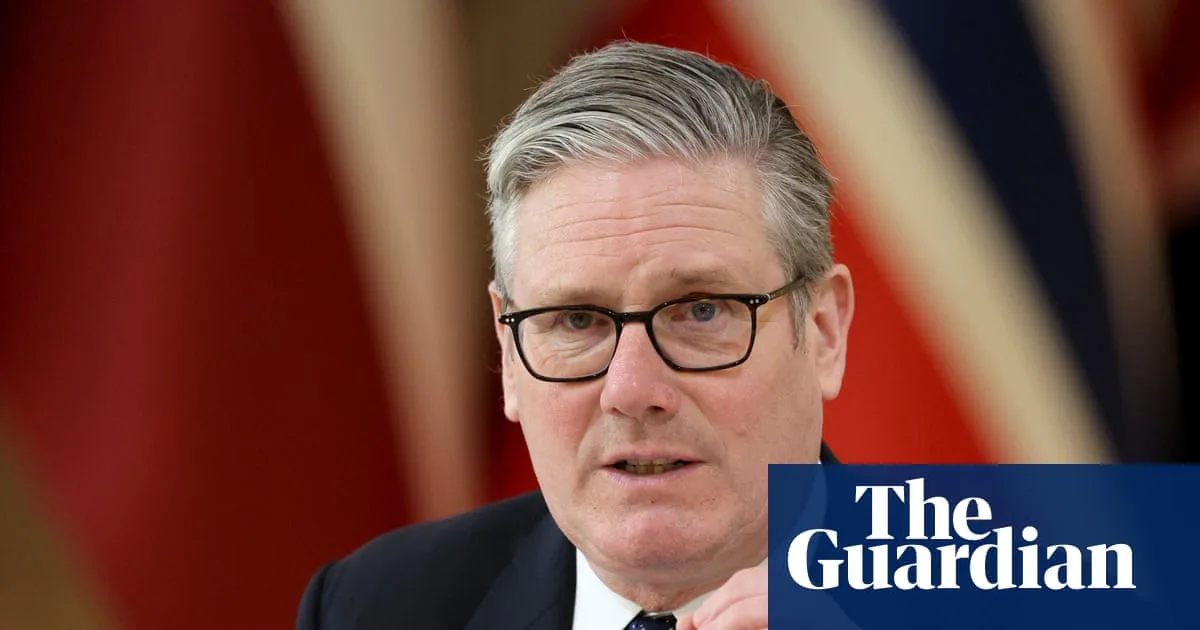
Prime Minister Keir Starmer will launch Labour's local elections campaign on Monday with a new slogan, 'Pride in Britain', emphasising government action on the cost of living and citing the Iran war as a reason to stick with Labour. He will argue that a vote for Reform UK risks undermining progress on living standards.
Speaking at a rally in the West Midlands alongside Deputy Leader Lucy Powell, Starmer will list measures such as energy bill support, changes to the two-child benefit cap, living wage increases, and pension rises. He will also warn against the 'reckless' support of Kemi Badenoch and Nigel Farage for US-Israeli strikes on Iran, which the government did not back.
Labour faces predicted heavy losses in Wales, Scotland, and English councils, particularly in the north-east and London. Polls suggest the party could lose power in Wales after 27 years, trailing Plaid Cymru and Reform, while the SNP may deny Labour victory in Holyrood. Many Labour councils could fall to Greens and independents.
Starmer will say: 'We’re going to fight to earn every vote. Fight for our values. And fight for the country we are building together, a Britain built for all.' He will stress that the volatile world tests not only security but also fairness at home.
Labour held 7,000 local campaign events over the weekend, with 30 cabinet visits planned in the first week. The party has dropped its previous attempt to equate Reform with the Greens, instead targeting Green candidate Zack Polanski over judgment. Key battlegrounds include Birmingham, where a bin collection dispute persists, and London councils like Newham, Hackney, and Lewisham, where Green gains are expected.




