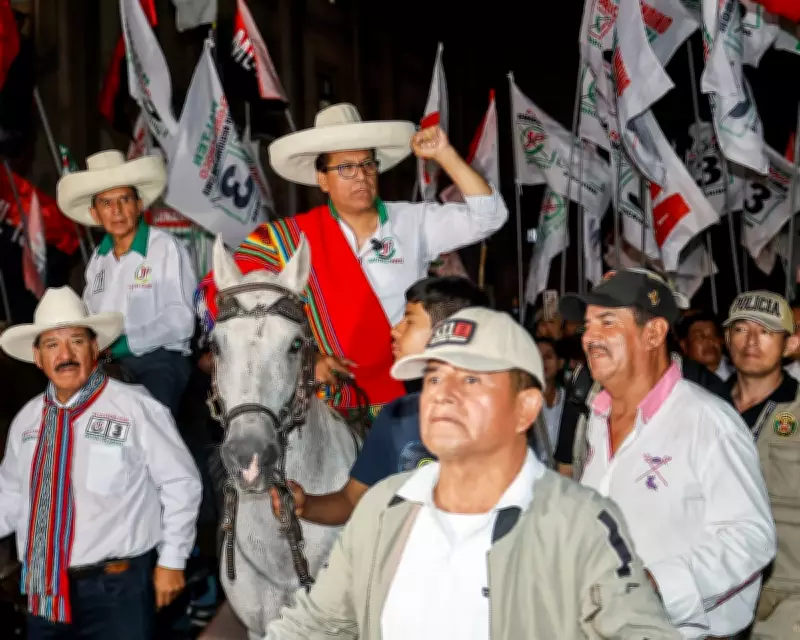
Peru's Election Polls Highlight Growing Political Instability
Recent polls conducted in Peru ahead of the upcoming national election have unveiled a landscape of deepening political instability, with voters expressing widespread dissatisfaction and fragmented support across candidates. The findings suggest that the nation is grappling with significant uncertainty, which could have profound implications for its governance and economic future.
Key Polling Data Reveals Voter Discontent
The polls indicate that a substantial portion of the electorate remains undecided or disillusioned with the current political options. This lack of clear frontrunners reflects broader societal concerns, including economic challenges, corruption issues, and social unrest. Analysts note that such fragmentation often leads to coalition governments or weak mandates, further exacerbating instability.
Economic factors are playing a crucial role in shaping voter sentiment, with many Peruvians citing inflation, unemployment, and inequality as primary worries. The polls show that candidates who address these economic issues are gaining traction, but no single figure has emerged with overwhelming support, indicating a highly competitive and unpredictable race.

Implications for Peru's Political Landscape
The instability highlighted by the polls is not new to Peru, which has experienced frequent political turmoil in recent years. However, the current election cycle appears to be intensifying these trends, with potential consequences for policy-making and international relations. A fragmented government could struggle to implement reforms, potentially hindering economic recovery and social progress.
Experts warn that prolonged instability may deter foreign investment and undermine public trust in democratic institutions, creating a vicious cycle of political and economic challenges. The polls serve as a stark reminder of the need for cohesive leadership and effective governance in Peru.
Broader Context and Future Outlook
Beyond the immediate election, the polling data underscores deeper issues within Peru's political system, including polarization and a lack of consensus on key national priorities. As the election approaches, stakeholders are closely monitoring developments, with hopes that the outcome will bring stability, though the polls suggest this is far from guaranteed.
In summary, Peru's election polls paint a picture of a nation at a crossroads, with voter dissatisfaction and political fragmentation signaling ongoing instability. The coming months will be critical in determining whether Peru can navigate these challenges and forge a path toward greater certainty and prosperity.