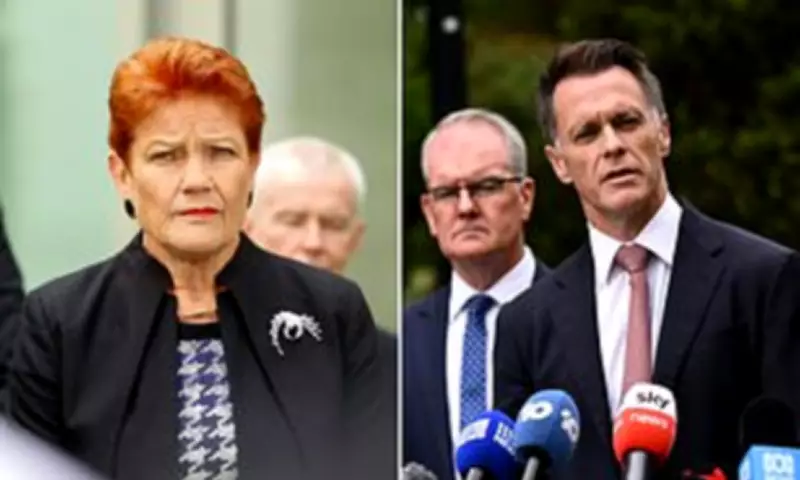
A dramatic political realignment is unfolding in New South Wales, with Pauline Hanson's One Nation party surging in popularity and now positioned to outpace the Coalition in the race for Upper House seats at next year's crucial state election. The latest DemosAU poll delivers stark numbers for the traditional conservative bloc, showing the Coalition's primary vote in the lower house has plummeted to just 23 per cent. This represents a severe seven-point decline since October and a staggering 12.4-point collapse from their result at the 2023 state election.
Leadership and Voter Sentiment Shifts
The poll indicates significant challenges for new Liberal leader Kellie Sloane, who is struggling to connect with the electorate following her ascension in November. Sloane's personal polling as preferred premier trails at 24 per cent, which is actually one point worse than her predecessor, Mark Speakman, managed. In a concerning metric for the opposition, almost 60 per cent of voters remain neutral toward Sloane, with her net favourability rating languishing at a mere three per cent.
Conversely, Premier Chris Minns has bolstered his standing, increasing his preferred premier rating by four points to 48 per cent, largely attributed to his handling of the Bondi Beach terror attack. However, this personal boost for Minns masks deeper vulnerabilities for his Labor government on pressing policy issues.

One Nation's Remarkable Ascent
The most startling revelation is the meteoric rise of One Nation, which has climbed to 21 per cent in the primary vote. This surge, representing a massive 16.1-point increase in their Upper House vote, positions the party to potentially secure five Upper House seats, edging ahead of the Coalition's projected four. This shift underscores a significant desertion of conservative voters from the major parties, redirecting their support toward Hanson's populist movement.
This state-level surge mirrors a national trend, with a separate YouGov poll for Sky News Australia showing One Nation maintaining a federal primary vote of 24 per cent, still ahead of the Coalition at 22 per cent. On such numbers, projections suggest One Nation could capture up to 20 parliamentary seats and gain an additional five Senate positions at the next federal election.
Government Vulnerabilities Exposed
Despite Labor maintaining a comfortable overall lead at 34 per cent (a three-point slip), the Minns government faces severe criticism on key issues. A overwhelming 70 per cent of voters believe the government is performing poorly on cost-of-living pressures, marking its weakest result. Housing remains a critical vulnerability, with the government recording a deeply negative satisfaction score of minus 52 per cent on the issue.
Voter discontent extends to energy, electricity, and crime, where the government's record is also viewed unfavourably. On protest laws, only 25 per cent support the Premier's approach, while 42 per cent rate his performance as unsatisfactory. The electorate remains sharply divided on gun laws, with no clear majority emerging on either side of the debate.
Broader Electorate Mood
The poll reflects a growing unease across the state, with nearly half of voters (48 per cent) believing NSW is heading in the wrong direction. This sentiment, combined with the dramatic swings in party support, signals a volatile and unpredictable political landscape as the state approaches its next electoral test. The data paints a picture of an electorate in flux, where traditional allegiances are weakening and newer, more strident voices are finding a receptive audience.