
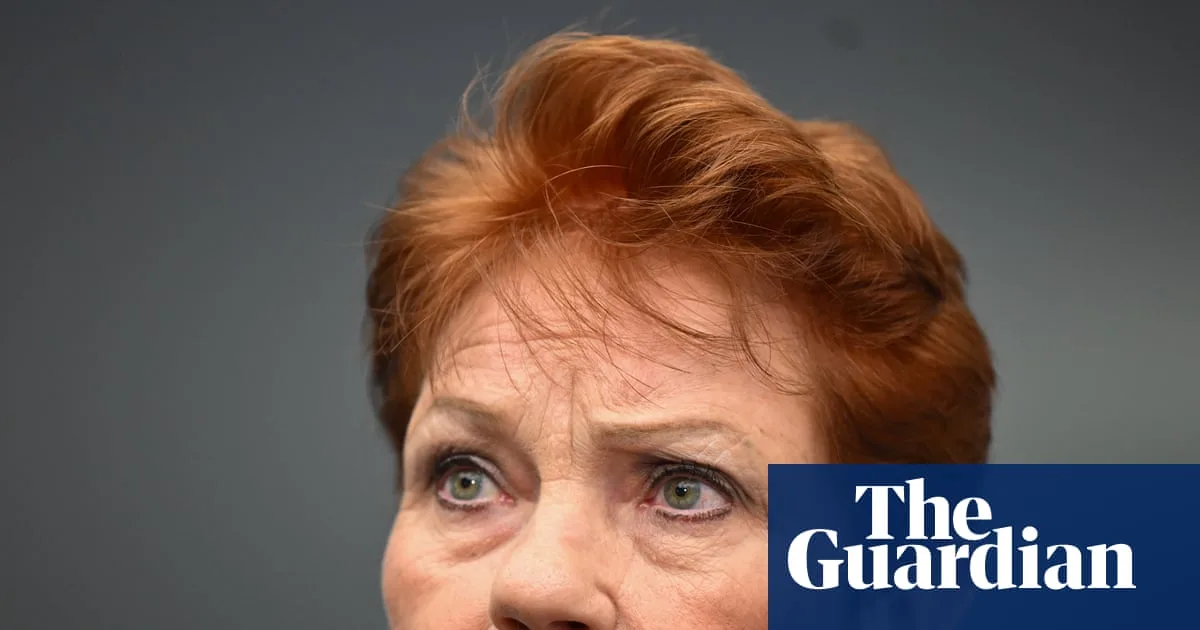
Pauline Hanson's One Nation party is projected to win a second lower house seat in South Australia, according to ABC projections. The rightwing populist party is set to pick up the electorate of Hammond from the Liberals, with a primary vote of 22.3% compared to the Liberals' 19.4%.
The ABC has already called the seat of Ngadjuri for One Nation, where candidate David Paton is set to become the new MP. The seat, formerly known as Frome, was renamed in 2024 over concerns about its namesake. One Nation is also leading in two more seats, MacKillop and Narungga, according to the state's electoral commission.
Analysts attribute One Nation's success partly to the Liberal party's decision to preference One Nation above Labor. South Australian Liberal Senator Andrew McLachlan criticised this move, stating the party should always preference One Nation last due to its 'toxic politics'.
Labor won the state election in a landslide, with Premier Peter Malinauskas pledging to work with all MPs despite differences. He has been critical of One Nation's lack of state policies and noted that Hanson is from Queensland, not SA.
One Nation's success in SA marks the first proof that its polling figures can translate into votes at the ballot box. The next test for the party will be the Farrer byelection on 9 May, followed by the Victorian and NSW elections.




