

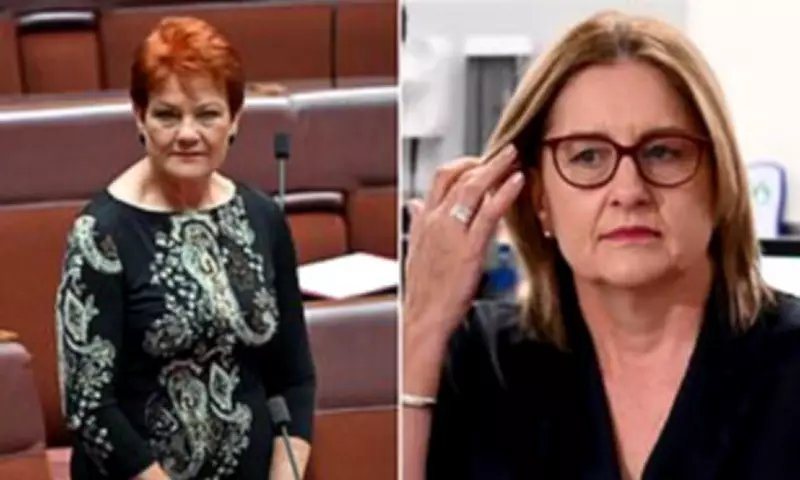
A seismic shift has occurred in Victorian politics, with a new poll revealing Pauline Hanson's One Nation party surging into first place just nine months before the state election. The survey, conducted by Roy Morgan between February 13 and 16, shows One Nation at 26.5 per cent, narrowly ahead of the Labor Party on 25.5 per cent, while the Liberal–National Coalition trails significantly at 21.5 per cent.
Polling Details and Implications
The Greens sit on 13.5 per cent, with 13 per cent backing independents and minor parties. This fragmented result sets the stage for a potential hung state parliament if an election were held today, creating a highly volatile political landscape in Victoria.
Preference Flows and Two-Party Comparisons
Despite One Nation's surprise primary vote lead, Premier Jacinta Allan's Labor party maintains an advantage on preferences. On a classic two-party-preferred basis, Labor leads 52 to 48 against Jess Wilson's Coalition and 52.5 to 47.5 against One Nation.

When examining a three-party-preferred measure, Labor holds 44.5 per cent, ahead of One Nation on 29.5 per cent and the Coalition on 26 per cent. In a hypothetical run-off between the Coalition and One Nation, the Liberals and Nationals would win decisively, 56 to 44, thanks largely to Labor voters preferencing One Nation last.
Leadership Ratings and Demographic Breakdown
Premier Jacinta Allan faces grim personal results, with 51 per cent of voters saying Opposition Leader Jess Wilson would make a better premier, compared to just 42.5 per cent for Allan. Wilson leads among men, across all major age groups, and in both Melbourne and regional Victoria.
Allan's personal approval rating sits at a concerning 30.5 per cent, while 67.5 per cent of respondents disapprove of her performance. In stark contrast, Wilson enjoys a robust 53 per cent approval rating, indicating significant voter dissatisfaction with the current premier.
Election Timing and Political Context
Victorians are due to head to the polls on November 28, giving all parties approximately nine months to campaign and potentially shift these dramatic numbers. The poll, if repeated at the upcoming November election, would almost certainly result in a hung parliament, requiring complex negotiations and potential coalition formations.
This development represents a remarkable turnaround for One Nation in Victoria, traditionally a state where the party has struggled to gain significant traction. The surge suggests growing voter disillusionment with both major parties and could signal a fundamental realignment in Victorian politics ahead of the crucial state election.






