Mass Disenfranchisement in West Bengal Ahead of Critical State Elections
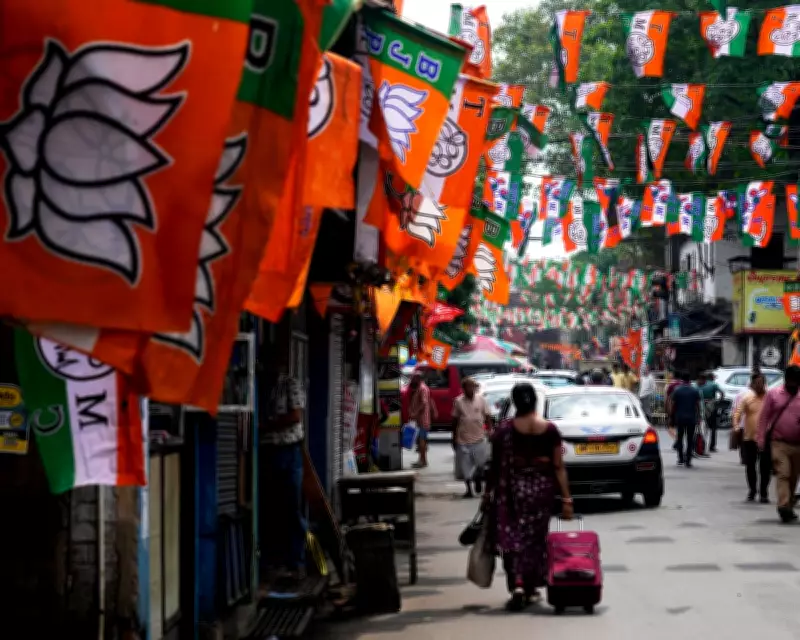
In a move that has ignited fierce controversy, millions of citizens in the Indian state of West Bengal have been stripped of their voting rights just days before a pivotal state election. The electoral revision, described by opponents as a "bloodless political genocide", has seen over 9.1 million names deleted from the voter register, representing more than 10% of the electorate.
Controversial Revision Process Under Scrutiny
The Special Intensive Revision (SIR) of electoral rolls, implemented across various Indian states, has been justified by Prime Minister Narendra Modi's government as necessary to prevent "infiltrators" – a term critics say targets Muslim Bangladeshi immigrants – from voting. Home Minister Amit Shah has framed the exercise as essential to "purify" the electoral system.
However, experts and opposition figures argue that the process has disproportionately affected religious minorities. "Muslims have been disproportionately affected," stated Sabir Ahamed of the Sabar institute, which has monitored official data. In some Muslim-majority constituencies, nearly half of voters have been removed, including lifelong Indian citizens with documented eligibility.

Personal Stories of Disenfranchisement
The human impact of these deletions is stark. Jaber Ali, a 36-year-old from Sherpur village who helped collect documents for the revision, found his own name missing from the final roll. "All those removed here are Muslims," he reported, describing widespread panic in his community.
Similarly, Senarul Haque, a 62-year-old retired paramilitary officer with 35 years of service, was disenfranchised despite his family remaining listed. "This feels like a mockery of the system," he lamented.
Legal and Administrative Concerns
Critics have legally challenged the SIR as unconstitutional, alleging it manipulates the electoral system to benefit the ruling Bharatiya Janata Party (BJP). Former election commissioner SY Quraishi voiced serious concerns, questioning the rushed timeline and use of an AI algorithm that flagged minor discrepancies in voter data.
"The SIR is completely unnecessary, it is designed to harass," Quraishi asserted, noting that the algorithm failed to account for cultural nuances like variations in Bengali name transcriptions.
Broader Implications for Indian Democracy
With only a fraction of the 2.7 million challenges to deletions heard before voting begins, many like government teacher Himani Roy will be unable to cast ballots. Economist Parakala Prabhakar warned that this creates two classes of citizens: those included in the political process and those excluded.
As the BJP aims to unseat the Trinamool Congress in West Bengal, the electoral purge has sparked allegations of democratic backsliding, with opposition MP Sagarika Ghose calling it a "constitutional crime" that undermines the fundamental right to vote.