

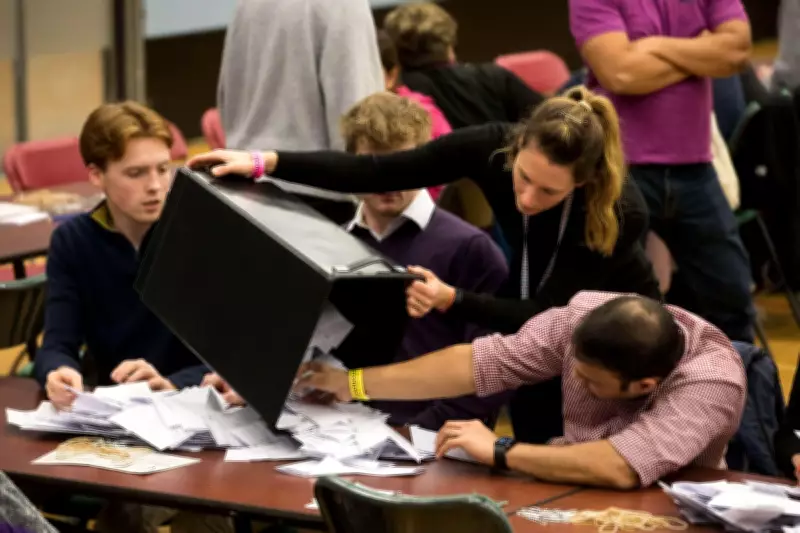
More than 5,000 council seats across England will be contested on Thursday, 7 May, in the largest set of local elections in three years. Voters in 136 local authorities, including London and several major cities, will head to the polls in a crucial test for all political parties.
What is at stake?
A total of 5,013 seats are being contested across 136 authorities. Most were last up for election in 2022, when the then-Conservative government under Boris Johnson trailed Labour in opinion polls amid the Partygate scandal. That year, Labour, the Liberal Democrats, and the Greens made gains at the Tories' expense, while Reform UK contested only a handful of seats and won just two.
Party defences
Labour is defending 2,557 seats (over half of those up for grabs), reflecting its strength in London and metropolitan boroughs. The Conservatives are defending 1,362 seats, the Liberal Democrats 684, and other parties (including independents) 410. These figures, calculated by professors Colin Rallings and Michael Thrasher of Exeter University, include notional defences for seats affected by boundary changes.

This contrasts with last year's local elections, when the Tories defended the most seats due to county council contests where they were dominant.
Polling and recent trends
Analysis by Rallings and Thrasher suggests Labour could lose over 1,000 councillors if it repeats its poor performance from May 2025, when both Labour and the Conservatives lost seats to Reform, the Lib Dems, the Greens, and independents. They note that "neither opinion polls nor local by-elections suggest much has changed" in the past year, indicating potential heavy losses for both main parties.
Since May 2025, Labour's vote share in local by-elections has fallen by an average of 25 per cent. If replicated on 7 May, the party's losses could approach 2,000 seats. The Conservatives face particular risk in six county council elections, where Reform could cause dozens of seats to change hands.
Reform, the Lib Dems, and the Greens are all expected to make net gains overall, with Nigel Farage's party starting from a low base.
Challenges for the main parties
Local elections primarily affect community services such as bin collections, social care, education, and roads. However, they also serve as a barometer of national sentiment on issues like the cost of living, the economy, migration, and foreign affairs, which rank among voters' top concerns according to YouGov.
Labour leader Sir Keir Starmer and Conservative leader Kemi Badenoch face the challenge of limiting losses, while Lib Dem leader Sir Ed Davey, Reform leader Nigel Farage, and Green leader Zack Polanski aim to make gains and meet supporter expectations.
When will results be declared?
Polls close at 10pm on 7 May. About a third of councils will count and declare overnight, while most will wait until Friday, 8 May, to begin counting, with full results expected in the early afternoon. A small number of councils may not finish until Saturday, 9 May. Expected declaration times are available online.
Elections are also taking place in Scotland for the Scottish Parliament and in Wales for the Senedd on the same day.






