

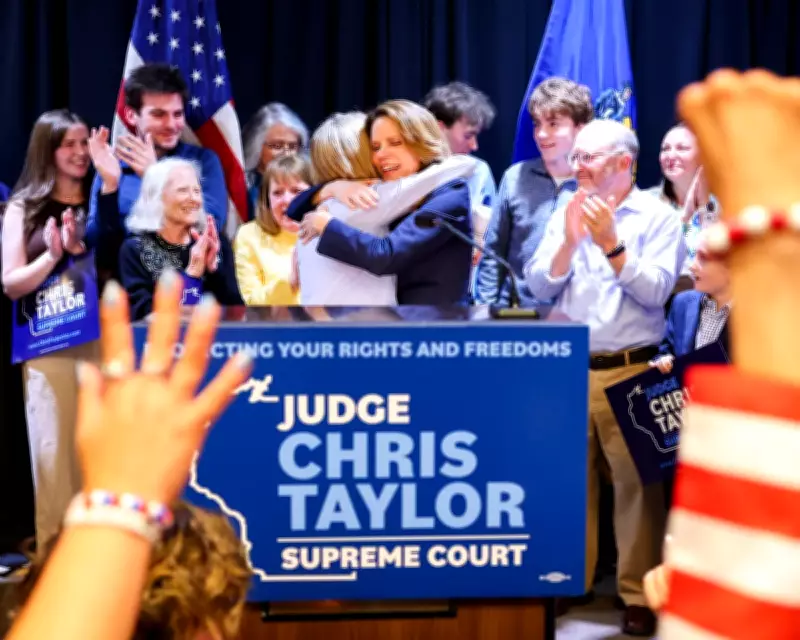
Liberal Judge Chris Taylor Triumphs in Wisconsin Supreme Court Election
In a significant political development, liberal judge Chris Taylor has emerged victorious in the Wisconsin Supreme Court election, a result that could reshape the judicial landscape in the state. This win is seen as a crucial moment for progressive causes, with potential implications for upcoming legal battles.
Key Details of the Election Outcome
The election, held recently, saw Chris Taylor secure a seat on the Wisconsin Supreme Court, defeating conservative opponents. This victory shifts the court's balance, giving liberals a majority that may influence rulings on contentious issues such as voting rights, abortion access, and election integrity.
Observers note that this outcome could impact future cases involving former President Donald Trump and other high-profile figures, as the court plays a role in interpreting state laws and constitutional matters.

Broader Political Context and Reactions
The win comes amid a highly polarized political climate in the United States, with Wisconsin being a key battleground state. Supporters of Chris Taylor, including progressive groups, have hailed the victory as a step forward for justice and equality. Critics, however, express concerns about potential shifts in judicial philosophy.
Notably, figures like Pete Hegseth have commented on the election, reflecting the national attention it has garnered. The result is expected to fuel debates on the role of the judiciary in American politics.
Implications for Future Legal and Political Scenarios
With Chris Taylor's election, the Wisconsin Supreme Court is poised to hear cases that could have far-reaching consequences. Key areas of focus include:
- Voting Rights: Potential rulings on election laws and voter access.
- Abortion: Decisions related to reproductive rights in the state.
- Election Integrity: Cases involving disputes over election outcomes.
- Constitutional Issues: Interpretations of state and federal laws.
This development underscores the importance of judicial elections in shaping policy and governance, particularly in swing states like Wisconsin.






