

Labour's Bill to Lower Voting Age to 16 Sparks Political Debate
In a significant move, Labour has introduced a bill to parliament proposing to grant the vote to 16- and 17-year-olds by the next general election. This initiative, announced on Thursday, aims to address what many see as a system rigged against young people, who have faced disenfranchisement and policy neglect in recent years.
Historical Context and Youth Engagement
The proposal echoes Scotland's 2014 independence referendum, where 16- and 17-year-olds were allowed to vote, setting a precedent for youth participation. However, critics, including the Conservatives and Reform UK, have labeled the move as gerrymandering, with the Sun calling it "rank hypocrisy." Polls suggest that if young voters traditionally leaned right, Labour might not have championed this cause, highlighting the political stakes involved.
Nigel Farage's claims of youth support for Reform are largely overstated, according to YouGov polling, which shows only 9% of 18 to 24-year-olds would vote Reform, similar to UKIP's 2015 performance. More in Common notes a gender gap, with boys nearly twice as likely to back right-wing parties. The Tories, who stand to lose from this change, have raised concerns, such as Claire Coutinho's worry about adding pressure during exam season.

Barriers to Youth Voting and Electoral Impact
Under previous Tory governments, efforts to suppress youth voting included banning automatic registration at colleges and universities and restricting parental registration at home. This has led to young people being the largest disenfranchised group in the UK. Research by Christine Huebner at the University of Sheffield indicates that even if all 16- and 17-year-olds voted uniformly, their numbers are too small to sway most seats, but the symbolic importance remains high.
Candidates may now focus more on schools, promising policies for the young rather than just the elderly. This shift is crucial as the age at which people turn to the right has risen to 66, and the next cohort of 16- and 17-year-old voters are currently aged 12-13, requiring early engagement.
Policy Implications and Generational Fairness
Lowering the voting age should signal a commitment to policies benefiting the young, who have suffered from austerity cuts to education, Sure Start, and the education maintenance allowance. During the COVID-19 pandemic, school closures sacrificed young people's education to protect the elderly, exacerbating inequalities. While older generations enjoy triple-locked pensions and freedom passes, families with children are among the poorest.
Persuading the elderly to acknowledge their privileges—such as access to the NHS, free education, and public investments—is challenging. Many older adults dismiss younger generations as "lazy moaners" or "snowflakes," overlooking structural disadvantages. Politically, redistributing resources from the voting elderly to the less-voting young is risky but necessary for long-term sustainability.
Arguments for and Against Votes at 16
David Runciman, a politics professor at the University of Cambridge, has even suggested voting at age six, though giving parents a double vote for children might be more feasible in an ageing population. With fertility rates in England and Wales at a record low of 1.44 children per woman, below the replacement level of 2.1, innovation and new ideas from the young are vital to prevent stagnation.
Young people overwhelmingly support votes at 16, but a August 2025 poll shows 46% feel informed enough to vote, while 46% do not, with 8% unsure. This humility contrasts with adult ignorance on issues like crime trends, benefit distribution, and income inequality. A new school curriculum in 2027 will introduce citizenship education with critical thinking, though its implementation has been hindered since Michael Gove removed it from the Ebacc.

Future Prospects and Democratic Engagement
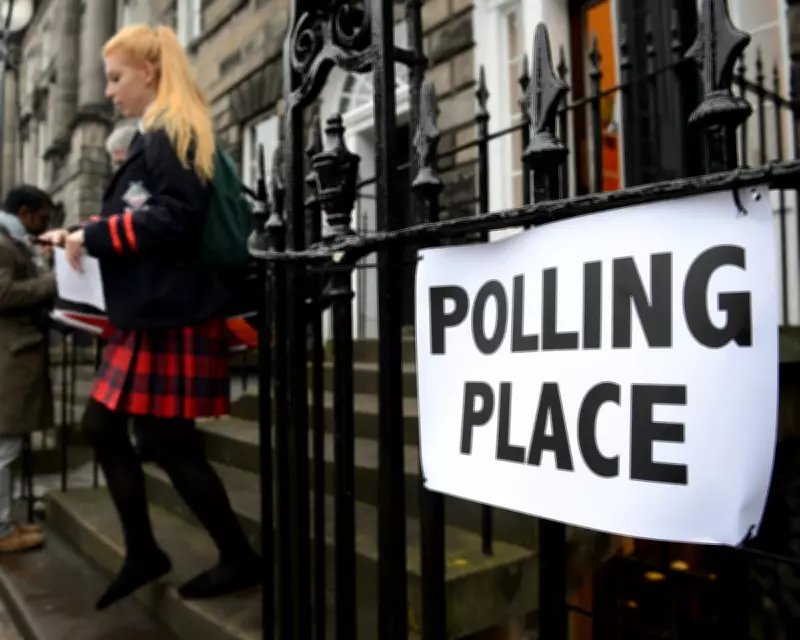
Accompanying sixth formers to polling stations could instill lifelong voting habits, potentially creating the most democratically minded generation yet. The right may reverse its opposition to votes at 16 as the next election approaches, recognizing the shifting political landscape. Polly Toynbee, a Guardian columnist, emphasizes that this move is not just about electoral gains but about fostering a fairer, more inclusive democracy for all.





