
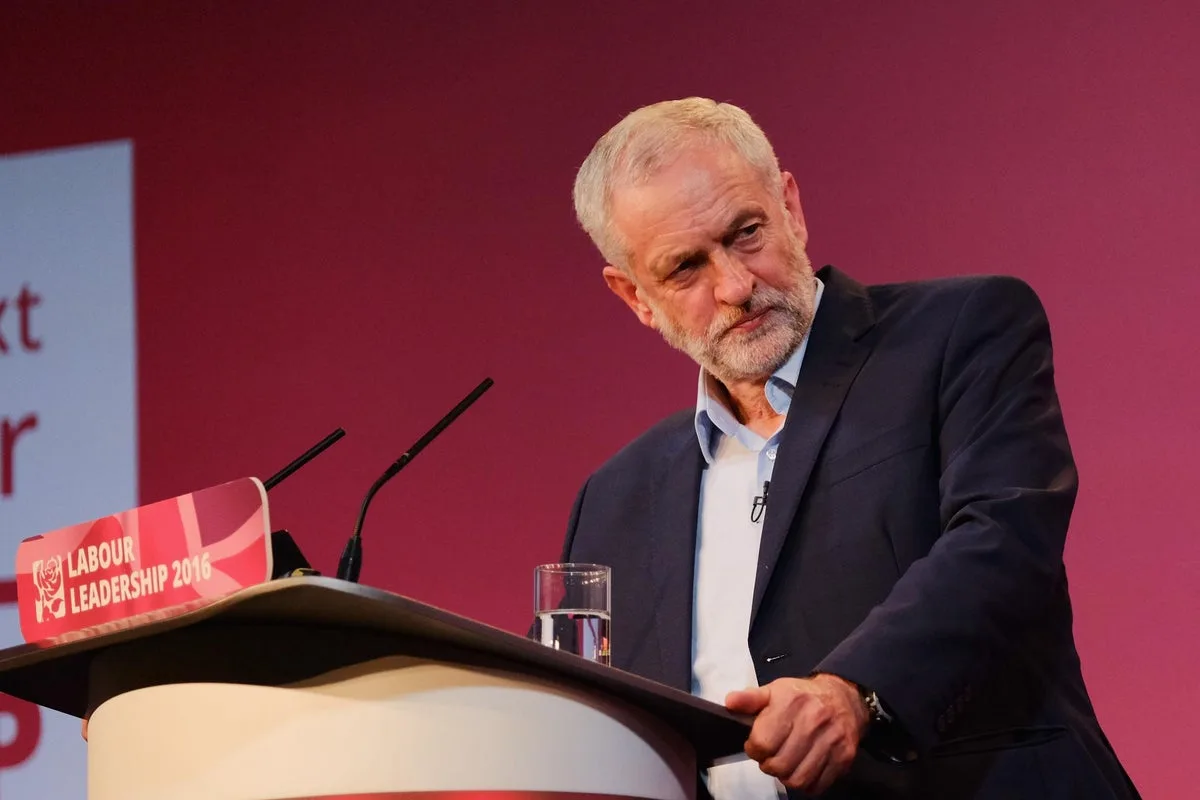
The Court of Appeal has overturned a High Court decision that would have allowed new Labour members to vote in the party's leadership election, dealing a significant blow to Jeremy Corbyn's campaign to remain leader. The ruling reinstates the National Executive Committee's (NEC) ban on 130,000 members who joined after 12 January from receiving ballots unless they pay an additional £25.
Corbyn's campaign team described the decision as “the wrong decision - both legally and democratically”. The NEC had argued that the move was permitted by the party's rulebook, and the Court of Appeal agreed, also refusing permission to appeal and ordering the five new members who challenged the ban to pay £30,000 in costs within 28 days.
The five members—Christine Evangelou, Rev Edward Leir, Hannah Fordham, Chris Granger, and a teenage member known as “FM”—had argued that the NEC had no power to retrospectively freeze their voting rights. Their lawyers claimed that approximately 150,000 individuals who joined between January and July were affected. Earlier, Mr Justice Hickinbottom had ruled that denying them the vote would breach their contract.
Shadow Chancellor John McDonnell rejected suggestions that Corbyn's allies supported the ruling only because it could benefit the incumbent, stating that members were told they would be able to vote and that denying them that right “flies against all the traditions of our party”. Meanwhile, at a heated hustings in Gateshead, Corbyn and rival Owen Smith clashed over Brexit, with Smith accusing Corbyn of being “10 out of 10” for leaving the EU.
Ballot papers are due to be sent out on 22 August, with results announced on 24 September. The legal battle has deepened divisions within the party, following months of allegations of a “coup” against Corbyn by Labour MPs.




