Labour Fears Annihilation in Lancashire After Local Elections U-Turn
Labour Fears Annihilation in Lancashire After Elections U-Turn

Labour Braces for Electoral Annihilation in Lancashire Following Government U-Turn

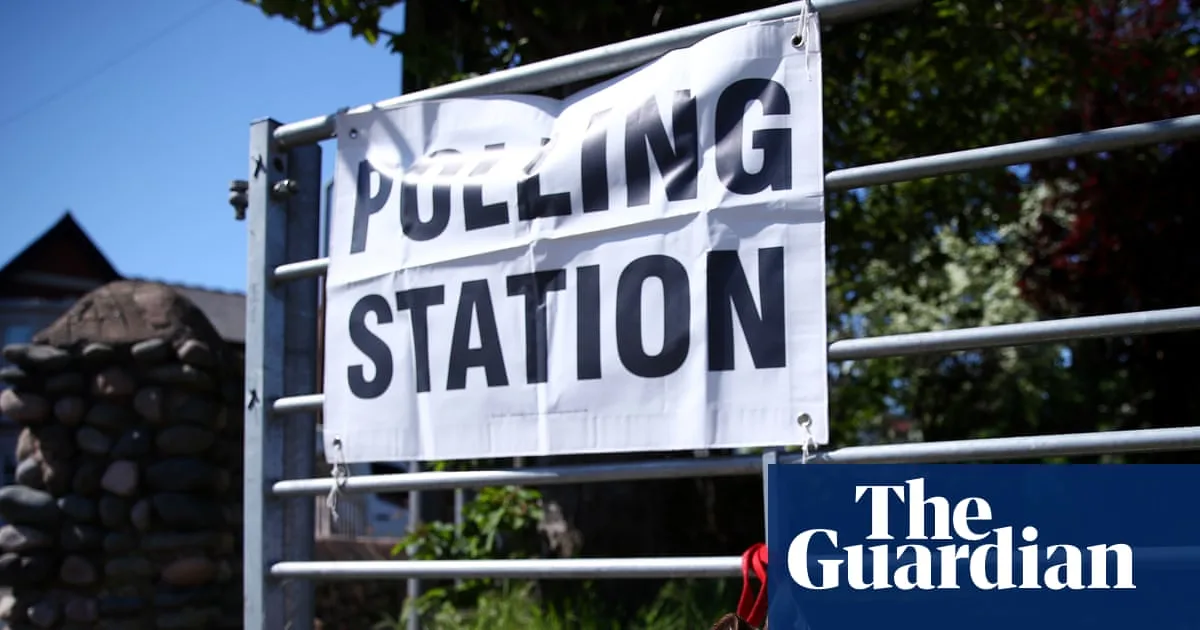
Senior Labour figures in Lancashire have expressed grave fears that the party will be "annihilated" in the upcoming local elections this May, following a sudden government reversal on postponing the polls. The county now hosts a quarter of England's thirty reinstated council elections, the highest concentration nationwide, after Local Government Secretary Steve Reed scrapped plans for a delay earlier this week.

Unexpected Elections Spark Political Turmoil

The elections were initially expected to be postponed pending a reorganisation of local government in Lancashire, which involves moving to unitary authorities. However, Reform UK's threat of a legal challenge prompted the government's U-turn. Consequently, seven councils—Burnley, Blackburn, Hyndburn, Pendle, Chorley, West Lancashire, and Preston—will now hold unexpected elections in May, affecting nearly 790,000 residents.

Currently, only two councils in Lancashire, Blackburn with Darwen and Blackpool, operate as unitary authorities, while the other twelve districts function under the two-tier system overseen by Lancashire County Council. The reinstated elections mean that these areas face political uncertainty just as they prepare for broader structural changes.

Reform UK's Dominance and Labour's Decline

At last year's county council election, Reform UK seized control of the authority, winning 53 out of 84 seats and reducing Labour to a mere four councillors. This shift has intensified Labour's anxieties, with one senior party insider in Lancashire describing the situation as "a proper shit show" and predicting a "Labour wipeout" in East Lancashire. They bleakly joked that only a miraculous leadership change could avert disaster, stating, "Unless Jesus H Christ turns up as our new leader with Virgin Mary as deputy," the party faces annihilation.

The insider further forecast a "100% Reform" clean sweep in elections for the new Lancashire unitary authorities, highlighting the profound challenges Labour confronts in a region once considered a stronghold.

Financial and Operational Impacts

The sudden reinstatement of elections is expected to cost taxpayers millions of pounds, with councils scrambling to organise polls in just eleven weeks. Beyond financial strain, local councillors warn of significant impacts on officer resources, diverting attention from vital services and the ongoing local government reorganisation process.

Afrasiab Anwar, leader of Burnley council who quit Labour in November 2023 over its stance on the war in Gaza, criticised the government's "complete chaos" and called for ministers to publish the legal advice that prompted the U-turn. He argued, "I cannot identify any compelling justification for maintaining legal privilege in this instance, particularly given that it concerns the fundamental right to vote." Anwar anticipates Reform UK and independent candidates will unseat Labour councillors in Burnley, attributing this to broader disillusionment with broken government promises.

Mixed Reactions from Council Leaders

While some council leaders expressed support for the government's decision, they stood by their original preference to postpone the votes. Alistair Bradley, leader of Chorley council, acknowledged the high bar for delaying elections and shared concerns that holding them in May 2026 could disrupt services and reorganisation efforts. However, he affirmed, "We do, however, recognise that it is a government decision, and will move forward in preparation for an election in May as directed."

Matthew Brown, leader of Preston council, noted capacity issues but welcomed the challenge, saying, "The government's U-turn was unexpected, but we actually quite relish the fight now. In terms of taking the fight to Reform UK and others, we're really looking forward to getting stuck in."

Broader Political Fallout

The repercussions extend beyond Lancashire, with one Labour source predicting the party will lose control of West Lancashire council, where it currently holds a narrow majority, potentially leading to no overall control. They lamented, "This is just one more thing that adds to the complete disillusionment out there at the minute," reflecting widespread voter disenchantment.

In Pendle, where Labour currently has no councillors after several left over the party's Gaza stance, Lib Dem leader David Whipp warned that the government climbdown could deepen voters' "disillusionment and disenfranchisement."

Future Reorganisation Plans

All seven Lancashire councils facing unexpected elections are due to be abolished in 2028, to be replaced by larger authorities combining fourteen councils into between two and five bodies. Ministers are expected to announce the structure of these new unitary authorities in July, adding another layer of complexity to the county's political landscape.

As Lancashire braces for a pivotal electoral battle, the government's U-turn has not only reignited political tensions but also underscored the fragile state of local democracy in a region grappling with rapid change and growing voter apathy.




