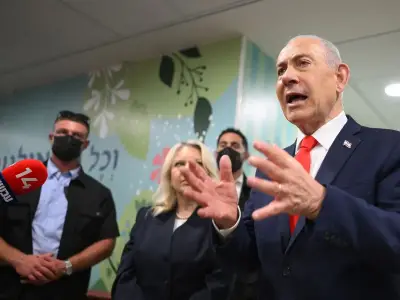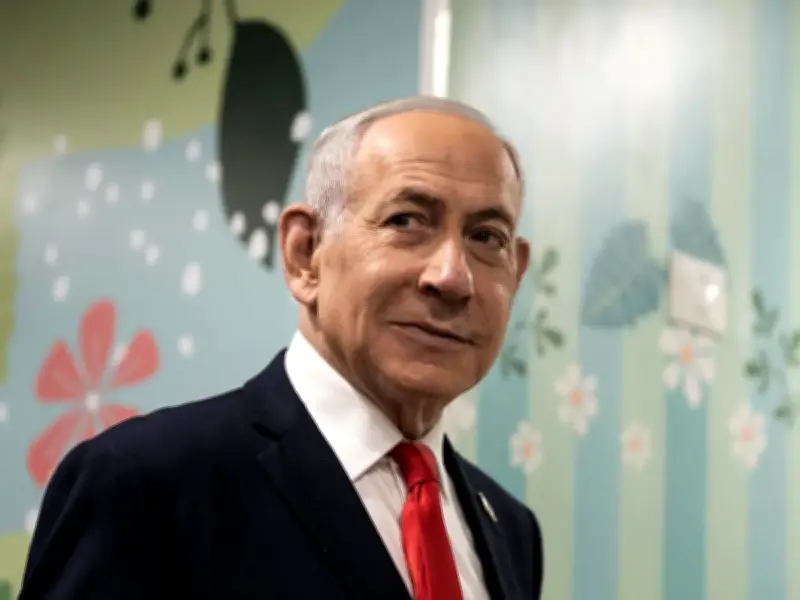
Exit polls from the Israeli election indicate that the main challenger to Benjamin Netanyahu's ruling coalition has emerged as the largest group in Parliament, but will fall well short of a majority. The polls show Netanyahu's coalition winning 50 seats, the opposition bloc led by former military chief Gadi Eisenkot winning 52 to 53, and Arab parties winning 17 to 18.
Arab Parties Could Decide Next Prime Minister
The strong showing by Arab-led parties could allow them to decide the next prime minister, but both blocs have until now refused to partner with them. As polls suggest the election has no clear winner, it is now likely there will be weeks of jockeying to form a government.
Exit polls usually provide a good indication of how people have voted, but they can also vary. The final tally will likely be revealed by October 30, with the official results expected to be published on November 4.
Netanyahu to Stay as Caretaker PM
If neither Netanyahu's bloc nor the opposition wins a majority of seats, Netanyahu will stay on as caretaker PM as attempts are made to form a government. Eisenkot said the results "point to complete distrust in [Benjamin] Netanyahu and the government of October 7". He said he would "act immediately" to replace the current Israeli prime minister's government "at the earliest possible time".
Netanyahu had been tipped for a stunning defeat despite receiving a glowing endorsement from Donald Trump. The US President said of the unresolved US-Israeli conflict with Iran: "If Israel has the wrong leader, which would be anyone other than Bibi [Netanyahu], America will have to do this work ourselves, and I am not inclined to do so."
Absentee Ballots and Coalition Process
Official results will start being published from 10pm GMT, but an estimated 600,000 absentee ballots - almost all from the military - and around 10% of the total votes, won't be fully counted until Thursday.
Once all the results are in, and following consultations with all the political factions, Israel's president then invites the party leader whom he believes has the best chance of success to form a governing coalition. The process can take many weeks.