The Israeli army is preparing to close the West Bank following a terror attack at a checkpoint, as the country heads into what is considered one of its most significant elections. The move reflects a genuine security threat to Israel, which remains the primary concern for voters.
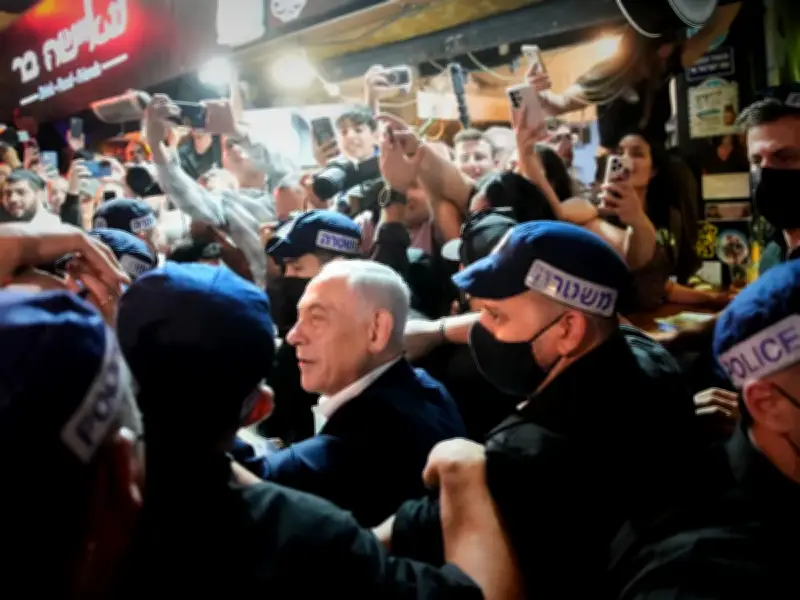
The election, scheduled for Tuesday, October 27, is expected to be extremely close, with Prime Minister Benjamin Netanyahu facing a stiff challenge. Netanyahu, Israel's longest-serving prime minister, has held office for 18 years across three separate periods and has shifted the country to the right.
Checkpoint Attack and Security Response
This morning, the Israeli Defence Force shot dead two attackers at a Hebron security stop. As many as five Israeli soldiers were wounded in the incident. The West Bank has been closed before, and this is not the first time such measures have been taken.
The attack comes amid escalating violence across the region following the October 7 Hamas attacks launched from Gaza. The West Bank is under pressure from more than 600,000 people, with reports of violent attacks on Palestinians.
Election Race and Key Issues
Current polling puts Netanyahu in a close fight with Gadi Eisenkot, a former head of the Israel Defense Forces, to become prime minister. Eisenkot leads the Yashar party, meaning 'straight' or 'honest', which is expected to win 23 Knesset seats out of 120, slightly ahead of Netanyahu's Likud party.
Security dominates the polling, as Netanyahu's challengers are highly critical of the security failures that led to October 7. Almost 1,200 people were killed and 251 others taken back to Gaza in the deadliest attack Israel had suffered since independence in 1948, which triggered conflicts with Hamas, Hezbollah, pro-Iran militia in Iraq, the Yemeni Houthis, and missile exchanges with Iran.
Coalition Negotiations Ahead
With 38 different parties contesting the election, most will not get enough votes to secure a spot in the 120-seat parliament. Polling suggests Yashar may be the largest party with between 20 and 23 seats, while Likud would run second on roughly 19 to 21 seats. Neither would have the 61-seat majority needed, unless it secures support from smaller parties.
Netanyahu's future rests on his ability to win a higher number of seats and then negotiate a coalition, as does Eisenkot's "change Bloc". The election is just the start of weeks of immensely complex coalition negotiations.