

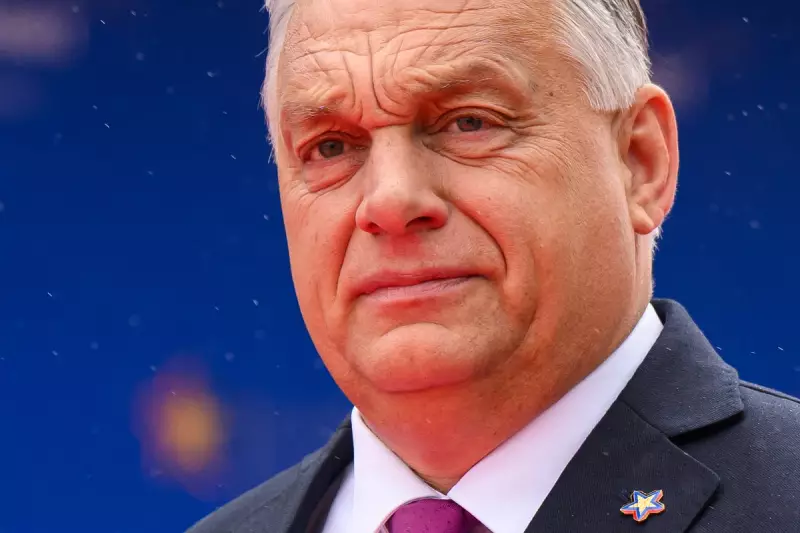
Hungary is poised for a parliamentary election on 12 April 2026 that represents the most formidable challenge to Prime Minister Viktor Orbán in his 16 years of dominant rule. The nationalist-populist Fidesz party, in power since 2010, is trailing the opposition Tisza party in independent polls—a position not seen since Orbán's return to office.
A Critical Crossroads for Hungary and Europe
The outcome of this election will carry profound implications far beyond Hungary's borders, potentially influencing the trajectory of far-right movements across Europe. President Tamás Sulyok formally announced the election date this week, calling on citizens to exercise their democratic right to vote. Orbán, the EU's longest-serving leader, has cultivated a controversial foreign policy, maintaining an anti-EU alliance with US President Donald Trump and fostering close ties with Moscow despite the ongoing war in Ukraine.
The Challenger: Péter Magyar's Meteoric Rise
Leading the charge against Orbán is Péter Magyar, a 44-year-old centre-right lawyer who burst onto the political scene less than two years ago. Magyar has built a formidable movement through relentless campaigning in rural areas, tapping into deep-seated public frustration over a stagnant economy, soaring living costs, and deteriorating public services. He has vowed to dismantle what he calls Orbán's corrupt system and steer Hungary toward a more prosperous and democratic future.

Magyar has promised to introduce robust anti-corruption measures and to unlock billions of euros in frozen EU funds, withheld from Budapest over concerns regarding judicial independence and graft. He also pledges to keep Hungary firmly anchored in the European Union and NATO while seeking "pragmatic relations" with Russia.
Fidesz's Campaign: A Choice Between War and Peace
Orbán and his Fidesz party have framed the upcoming vote as a stark choice between war and peace. Their campaign, running under the slogan "The safe choice," accuses the Tisza party of being a puppet project orchestrated by Brussels to topple the government. They claim a Magyar victory would see Hungarian finances drained into the war in neighbouring Ukraine and could even lead to direct involvement in the conflict.
Fidesz politicians and pro-government media have also alleged that Tisza secretly plans to raise taxes and impose severe austerity—claims the opposition vehemently denies. Orbán, who has centralised state institutions and taken control of much of the media, has refused to participate in a televised debate with Magyar, a format he has avoided since losing a 2006 election debate.
The official campaign period, allowing for candidate signature collection and the display of election posters, will commence on 21 February. As Hungary approaches this pivotal moment, the eyes of Europe are fixed on Budapest, awaiting a result that could significantly alter the continent's political dynamics.






