

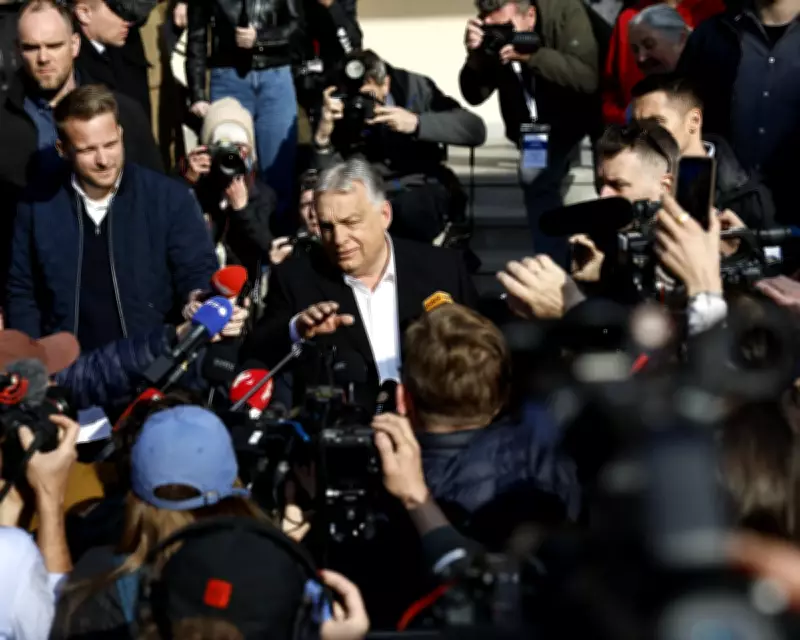
Hungary Election Results: Viktor Orban's Fidesz Faces Challenge from Peter Magyar
Hungary's recent election has delivered a dramatic political showdown, with initial results indicating that Prime Minister Viktor Orban's long-ruling Fidesz party is encountering a formidable challenge from the emerging Tisza party led by Peter Magyar. This electoral contest is being closely monitored across Europe and beyond, as it holds significant implications for Hungary's domestic policies and its international stance, particularly regarding relations with Russia.
Key Developments in the Election
As votes are being counted, early data suggests a tighter race than many analysts had predicted. Fidesz, which has dominated Hungarian politics for over a decade, is facing unexpected resistance from Magyar's Tisza, a party that has gained traction by advocating for reforms and a shift away from Orban's nationalist agenda. The election turnout has been notably high, reflecting the heightened public interest and the polarised nature of the political landscape.
Implications for Europe and Russia
The outcome of this election is poised to influence Hungary's role within the European Union and its diplomatic ties with Russia. Under Orban's leadership, Hungary has often adopted positions that align more closely with Moscow, causing friction with other EU member states. A potential victory for Magyar's Tisza could signal a reorientation towards a more pro-European stance, potentially altering the balance of power within the bloc and affecting broader geopolitical dynamics in the region.

Analysis of the Political Landscape
Political observers note that this election represents a critical juncture for Hungary. Orban's Fidesz has been credited with economic stability but criticised for eroding democratic institutions and fostering close ties with Russia. In contrast, Magyar's campaign has focused on promises of transparency, anti-corruption measures, and strengthening Hungary's integration with European values. The results will not only determine the next government but also set the tone for Hungary's future direction on issues such as immigration, defence, and economic policy.
As the final results are awaited, both domestic and international stakeholders are bracing for potential shifts. The election underscores the volatile nature of European politics and the ongoing struggle between nationalist and reformist forces. Regardless of the outcome, Hungary's political trajectory is likely to remain a focal point of discussion in global forums, with ramifications extending well beyond its borders.






