England's 2026 Local Elections: Key Battlegrounds and Political Stakes
England's 2026 Local Elections: Battlegrounds and Stakes

England's 2026 Local Elections: Key Battlegrounds and Political Stakes

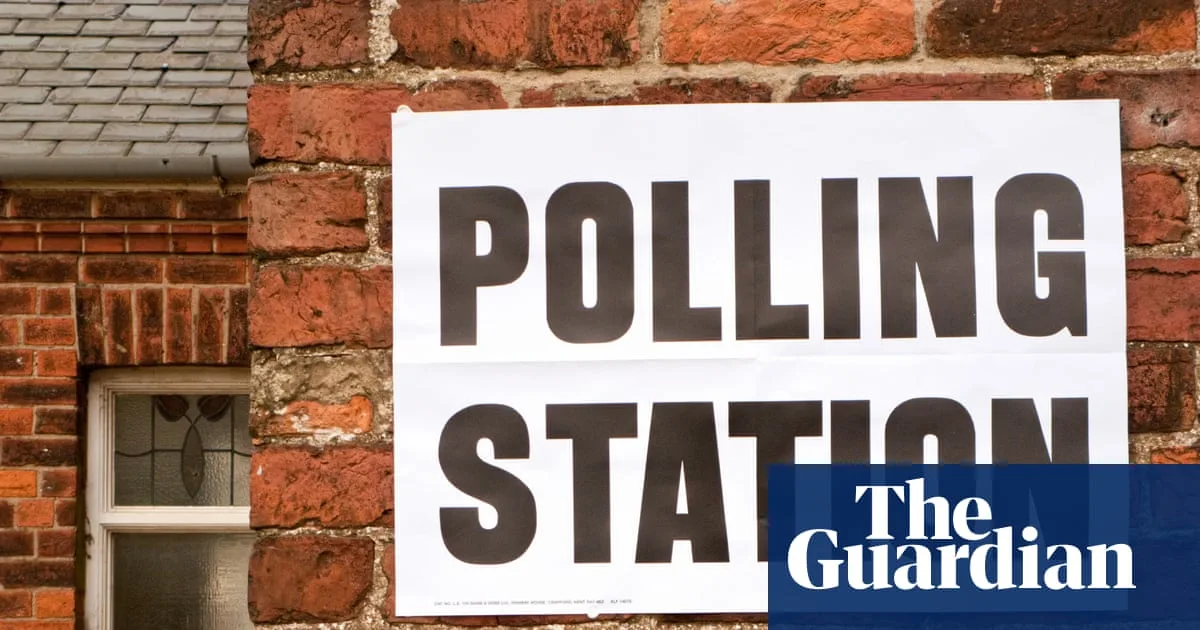
On Thursday, May 7, 2026, voters across England will head to the polls for the largest set of local elections in three years. This significant electoral event will see more than 5,000 council seats contested across 136 local authorities, providing a crucial test for all political parties amidst shifting national dynamics.

Where Are Elections Taking Place?

The elections span a diverse range of English regions, from major urban centres to rural districts. Polls will be held to elect members of six county councils: East Sussex, Essex, Hampshire, Norfolk, Suffolk, and West Sussex. All 32 London boroughs are holding elections, alongside 32 Metropolitan boroughs including Birmingham, Manchester, Leeds, and Sheffield.

Additionally, 18 unitary authorities such as Hull, Plymouth, and Southampton will hold contests, along with 48 district councils including Cambridge, Oxford, and Norwich. Local mayoral elections will also take place in six areas: Croydon, Hackney, Lewisham, Newham, Tower Hamlets, and Watford.

Wide Pickt banner — collaborative shopping lists app for Telegram, phone mockup with grocery list

Seat Distribution and Party Defences

A total of 5,013 council seats are being contested. Labour enters these elections defending the largest number of seats—2,557—reflecting the party's current strength in London and Metropolitan boroughs. The Conservatives defend 1,362 seats, while the Liberal Democrats protect 684. Other parties and independents account for 410 defences.

This represents a notable shift from last year's local elections, where the Conservatives defended the most seats due to county council dominance. Analysis by Professors Colin Rallings and Michael Thrasher of Exeter University highlights that these figures include seats contested for the first time due to boundary changes.

Historical Context and Recent Trends

Most of these seats were last elected in 2022, during the Partygate scandal when the Conservative government trailed Labour in opinion polls. The 2022 results saw Labour, Liberal Democrats, and Greens gain at Tory expense, while Reform UK won only two seats.

Recent trends suggest potential turbulence for major parties. Analysis indicates Labour could lose over 1,000 councillors if it performs as poorly as in May 2025, when both Labour and Conservatives lost seats to Reform, Lib Dems, Greens, and independents. Since May 2025, Labour's local by-election vote share has fallen by an average of 25%, potentially leading to losses nearing 2,000 seats.

The Conservatives face particular jeopardy in county council elections, where Reform UK's strong 2025 performance could shift dozens of seats. Reform, Lib Dems, and Greens are all likely to make net gains, with Nigel Farage's party starting from a low base but poised for growth.

Challenges for Political Leaders

Local elections often reflect voter concerns about neighbourhood issues like bin collections, park maintenance, and access to services. However, they also serve as a verdict on national matters such as the cost of living, economy, immigration, and foreign affairs including conflicts in Iran and Ukraine.

Labour leader Sir Keir Starmer and Conservative leader Kemi Badenoch both face the challenge of limiting potential losses. In contrast, Lib Dem leader Sir Ed Davey, Reform leader Nigel Farage, and Green leader Zack Polanski must demonstrate gains at the expense of major parties to meet supporter expectations.

Election Logistics and Timing

Polls close at 10pm on May 7, with only about one-third of councils counting and declaring results overnight. Most will begin counting on Friday, May 8, announcing results in the early afternoon. A small number may not finish until Saturday, May 9.

Voter registration deadlines are critical: applications must be submitted by 11:59pm on Monday, April 20. Postal vote applications close at 5pm on Tuesday, April 21, while proxy vote applications end at 5pm on Tuesday, April 28.

Broader Electoral Context

These English local elections coincide with Scottish Parliament and Welsh Senedd elections, making May 7 a significant day for UK democracy. The outcomes will provide insights into public sentiment ahead of potential general elections, shaping party strategies and policy priorities.

Pickt after-article banner — collaborative shopping lists app with family illustration

As voters prepare to cast their ballots, the stakes extend beyond council chambers to influence national political narratives and leadership trajectories across the political spectrum.




