

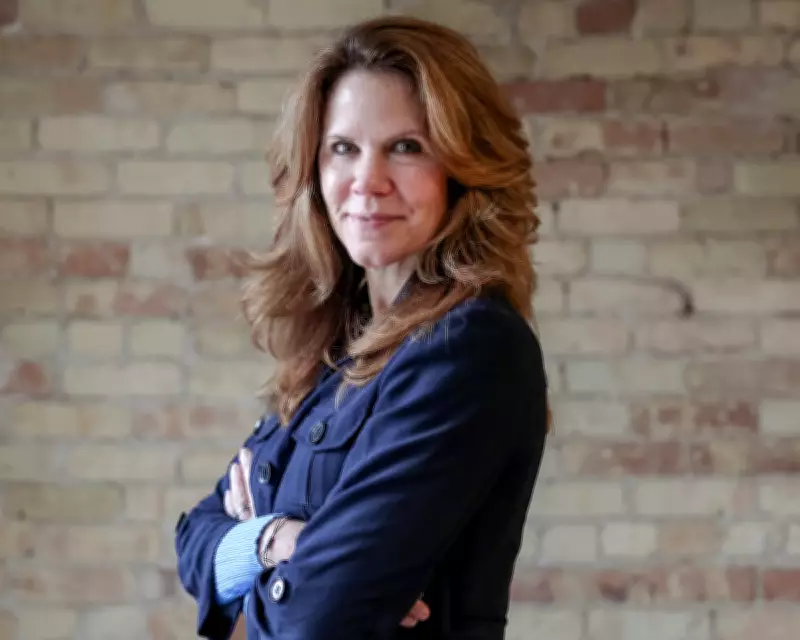
Chris Taylor Triumphs in Wisconsin Supreme Court Election
Liberal judge Chris Taylor has emerged victorious in the Wisconsin state supreme court election, defeating conservative opponent Maria Lazar and solidifying a commanding 5-2 liberal majority on the high court. This pivotal win provides another critical measure of Democratic resilience in the midterm election cycle, particularly within this closely monitored swing state.
A Shift in Judicial Power
The retirement of conservative Justice Rebecca Bradley created an opening that allowed liberals to further consolidate their control over the court ahead of the upcoming presidential election. Wisconsin, a perennial battleground state, is anticipated to face numerous legal challenges to election results, making the court's composition exceptionally significant.
Chris Taylor, currently serving as a liberal judge on the Wisconsin Court of Appeals and a former Democratic state lawmaker, faced off against Maria Lazar, also a Court of Appeals judge and former deputy state attorney general. Taylor's judicial philosophy is viewed as supportive of voting rights, whereas Lazar's positions have aligned more closely with Republican priorities, including advocating for policies that could restrict voting access.

Historical Context and Voting Rights Implications
Lazar had persistently defended gerrymandered electoral maps in Wisconsin that favored Republican candidates, though these maps were subsequently invalidated. Meanwhile, Justice Rebecca Bradley authored the court's opinion that prohibited dropboxes for mail ballots—a frequent subject of unfounded election fraud allegations. This decision was later overturned after liberals gained a majority on the court.
Although this year's judicial election attracted far less attention and funding compared to the previous two contests, voting rights advocates emphasize its profound importance. Victoria Bassetti, a senior adviser at the States United Democracy Center, remarked to Bolts news website, "While this supreme court race may seem like a sleeper contest, from the democracy perspective, it's anything but low-stakes. These issues never go to sleep in Wisconsin."
Campaign Dynamics and Financial Disparities
Officially, Wisconsin supreme court justices are non-partisan; however, liberals achieved a 4-3 majority in 2023 after flipping the court in what was then the most expensive judicial election in U.S. history. The 2025 race saw involvement from figures like Elon Musk, with total spending exceeding $100 million. In contrast, this year's election was markedly quieter and less costly.
Taylor held a substantial fundraising advantage over Lazar, reflecting the lower profile of the contest. A Marquette Law School poll conducted less than a month before election day revealed that over half of voters remained undecided, underscoring the subdued nature of the race.
Broader Political Ramifications
This outcome serves as another indicator of Democratic durability in the midterms, even as the November general election will feature different candidates and voter turnout patterns. Democratic candidates have recently secured unexpected victories in traditionally Republican-held areas nationwide, building momentum as they approach the fall elections.
In the final stages of campaigning, Lazar criticized Taylor as overly partisan, stating at a county Republican party office, "We actually want someone on that court who is extremely law nerdy and boring, and doesn't care about politics at all, and only cares about the law and the constitution." Conversely, Taylor, speaking at the county Democratic headquarters, highlighted the court's role in safeguarding state autonomy, saying, "We have an opportunity with this election to strengthen a pro-democracy majority on our court that's going to protect our rights and freedoms."
Judicial Election Landscape
Judicial election procedures vary significantly across the United States. In Wisconsin, justices are directly elected by voters, whereas in other states and at the federal level, judges are appointed by partisan executives. Some jurisdictions employ retention elections after initial appointments. Overall, judicial elections have grown increasingly expensive in recent years, reflecting their heightened political stakes.






