Bulgaria's Eighth Election in Five Years Sees Pro-Russian Radev Leading Polls
Bulgaria Votes as Pro-Russian Radev Leads in Eighth Election

Bulgaria's Eighth Election in Five Years Sees Pro-Russian Radev Leading Polls

Bulgarians are casting their votes in the eighth parliamentary election in just five years, a pivotal moment marked by political instability and widespread voter fatigue. The clear frontrunner is the pro-Russian former president, Rumen Radev, who has campaigned on promises to eradicate corruption and bring an end to the succession of weak, short-lived governments that have plagued the nation.

Radev's Rise and Campaign Promises

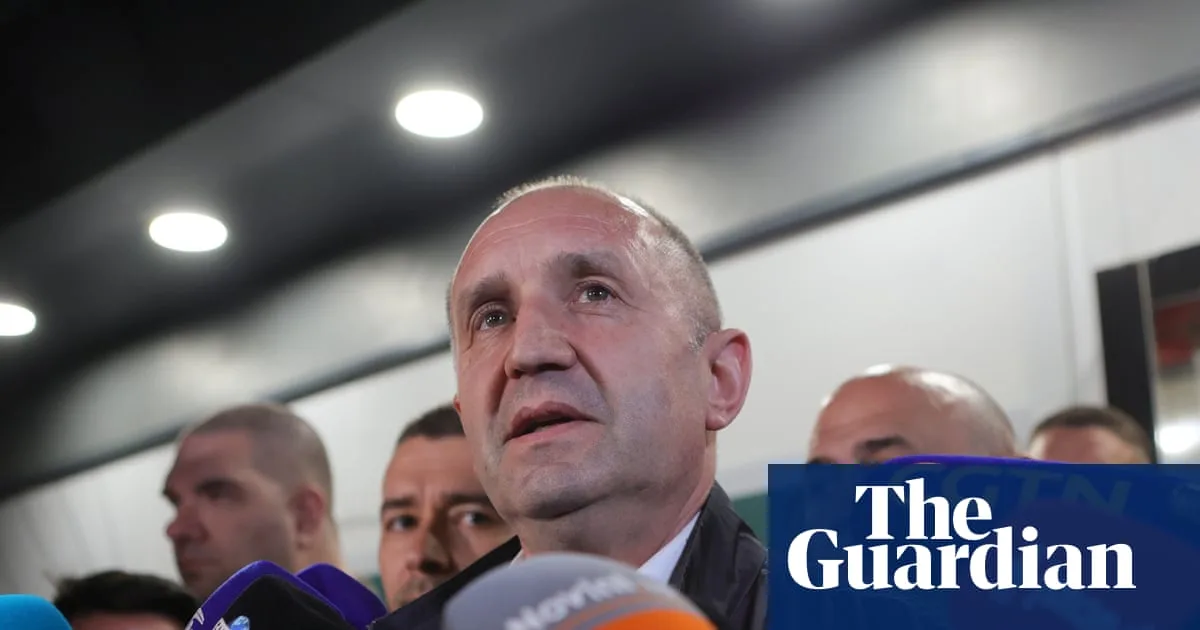
Rumen Radev, a Eurosceptic former fighter pilot who has consistently opposed military support for Ukraine, stepped down from the presidency in January to contest this election. His decision follows mass anti-government protests in Sofia during December 2025, which played a crucial role in toppling the previous administration. These demonstrations highlighted deep-seated public discontent with ongoing political turmoil.

Slick social media campaigns and a strong emphasis on stability have significantly boosted Radev's support across the Balkan country, which has a population of approximately 6.5 million. Voters, weary of repeated elections and a small cadre of veteran politicians often perceived as corrupt, are seeking meaningful change. After casting his ballot in Sofia, Radev stated, "We need, finally, a path to a democratic, modern European Bulgaria. We need our very robust programme in the parliament to support the Bulgarian citizens to get out as soon as possible of this very difficult situation."

Wide Pickt banner — collaborative shopping lists app for Telegram, phone mockup with grocery list

On international relations, particularly with Moscow, Radev added, "I hope that we will develop practical relations with Russia based on mutual respect and equal treatment." This stance aligns with his broader agenda to resume Russian oil and gas flows to Europe, a position that has drawn both support and criticism.

Key Issues and Voter Sentiment

The cost of living has emerged as a central issue since Bulgaria adopted the euro in January, a move that followed its rapid development post-communism and EU accession in 2007. While the country has seen improvements in life expectancy and boasts one of the lowest unemployment rates in the EU, it continues to lag behind other member states in various metrics. The previous government collapsed amid protests against a new budget proposing tax increases and higher social security contributions, underscoring the economic pressures facing citizens.

For many voters, these economic concerns and the recent political crisis appear to be as significant as Radev's calls for improved relations with Moscow. Bogomil Bardarski, a 72-year-old metalworker from Sofia, expressed a common sentiment: "Politicians need to come together and make decisions – not have constant conflicts and arguments, going from one election to another without getting anything done."

Polling Data and Political Landscape

Recent opinion polls indicate that Radev's Progressive Bulgaria party is poised to secure around 35% of the vote, one of the strongest results by a single party in years, though still short of a parliamentary majority. This surge contrasts sharply with the declining fortunes of established parties. The centre-right GERB party, led by former prime minister Boyko Borissov, trails in second place with about 18%, while the centrist Movement for Rights and Freedoms party, whose leader Delyan Peevski faces US and UK sanctions over corruption allegations, is also struggling.

Voter interest appears to be on the rise, with a poll by Sofia-based Alpha Research forecasting a turnout of approximately 60%, nearly double the 34% recorded in June 2024. This increase reflects growing frustration with the political status quo and a desire for substantive reform. Potential coalition partners include the pro-European We Continue the Change – Democratic Bulgaria (PP-DB) coalition, which also advocates for necessary reforms.

Criticisms and Controversies

Despite his popularity, Radev faces criticism for decisions made during his presidency from 2016, particularly those involving interim governments he appointed. Notably, a 2023 gas deal between Turkey's state gas company Botas and Bulgaria's Bulgargaz resulted in significant losses and prompted an investigation. Critics argue that Radev bears some responsibility for these controversial actions.

Pickt after-article banner — collaborative shopping lists app with family illustration

Evgeniy Shoh, a 50-year-old IT specialist who voted in Sofia, encapsulated the concerns of many: "The state is basically falling apart." This sentiment underscores the high stakes of this election, as Bulgarians seek to navigate a path toward greater stability and prosperity amidst ongoing challenges.




