CommentBritain has just delivered the mother of all protest votes. Nigel Farage’s Reform UK are the main beneficiaries of the country’s never-ending dissatisfaction, so should Labour now tack to the right or to the left? Neither, says Sean O’Grady.
Friday 08 May 2026 09:47 BST
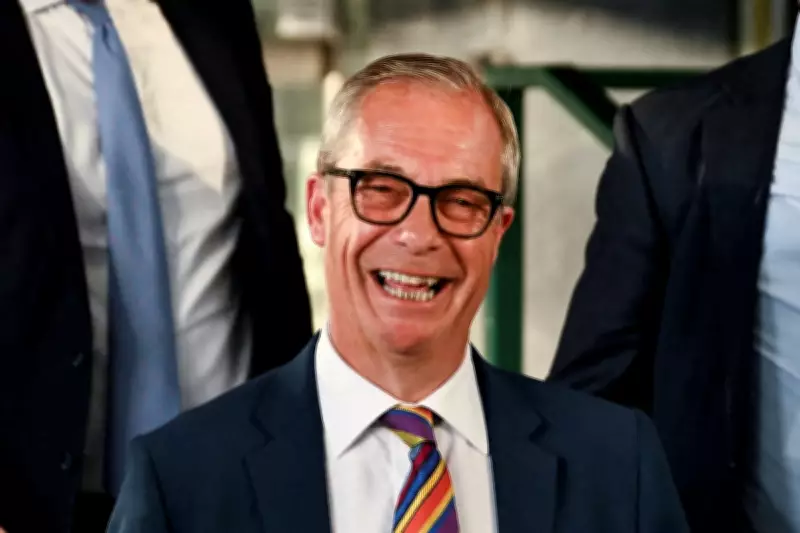
Reform UK leader Nigel Farage reacts as he leaves Millbank Tower following the results of the local elections (Reuters). Angry Britain has spoken again. Not for the first time, the electorate has used its vote to reject whoever happens to be in power, no matter their achievements to date. Only with these local elections, they’ve done it even more forcefully than ever before. Contrary to the received wisdom, people aren’t apathetic about politics – it’s far worse than that. It’s all gone a bit nihilistic. Voting for populist extremists is a symptom of a disturbed political psyche.

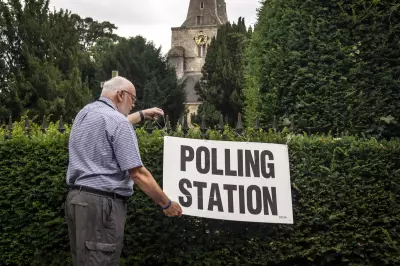
Nigel Farage’s Reform UK happen to be the beneficiaries at the moment – but it was Jeremy Corbyn a few years ago, and, as the next general election approaches, it could be the Greens to pick up more ground. One of the most striking things about this round of “mid-term” elections is the sharp increase in the turnout. At around 42 per cent, it is, of course, some way lower than a general election – but, like much else about our electoral scene, that isn’t normal. People are actually so annoyed about the state of things that they won’t just stay home sullenly, but take the trouble to locate photo ID and get to a polling station.
The country seems to be in a permanent state of protest. This makes it easy for politicians who thrive on, and exploit, grievances and promise that magical thing – “change” – to win power. Which is how Labour got in in 2024 – a massive negative vote against the Tories yielding a loveless landslide for a party that has never resonated that strongly with the voters. Starmer’s one-word slogan then was “Change”, and he too promised more than he could deliver, as it turns out. It was similar with Boris Johnson in 2019, a tired people once again falling for the false promise of Brexit – and it was true at all the times when Farage won various European and local elections and panicked the political establishment. Now, under Zack Polanski, the Green Party have joined the populism bandwagon.
It is probably no great coincidence that this instability and fracturing of the traditional British two-and-half party system – Labour, Conservative and Liberal Democrats – has grown so much during a period of economic stagnation. We’ve staggered from the Global Financial Crisis in 2008, when traditional trends of economic growth began to splutter, through Brexit, a Covid pandemic, an energy crisis triggered by Vladimir Putin’s invasion of Ukraine, now Trump’s tariffs and yet another inflation shock from the war in Iran. Historically large movements of people, often because of those very Western-inspired conflicts and poverty in their own lands, has only added to the tensions. Britain is hardly unique. Around the world, populists on the left and right have prospered by blaming immigrants or billionaires for problems, and offered bogus answers. When they haven’t adapted and adopted such an approach themselves, the old parties have suffered and sometimes died out. When there is less to go around, people will fight for a bigger slice of a shrinking cake, and so we are seeing once again, as in previous times of slow growth and economic insecurity. Polanski and Farage are mirror images of each other – same facile approach, different scapegoats.
What does all this mean for Labour? For starters, it should not be mesmerised by psephology. They’ve lost seats and councils mostly to Reform, especially in the traditional Red Wall areas; in their more metropolitan heartlands, they’ve haemorrhaged support to the Greens. So should Labour tack to the right or to the left? Win back voters from the populist left or populist right? The party cannot decide – so it ends up going around in circles. The answer isn’t to “be more left-wing” or “more right-wing”, or to fall into the same trap the Tories were caught in after Brexit, a merry-go-round of leaders who make no real difference to their long-term prospects.

Instead, the Labour government should concentrate and deliver what the voters want – on the economy, tax, the NHS, welfare, schools and, yes, immigration – without fretting about whether it’s right-wing or left-wing. And they will find that a lot more difficult than electing a new leader.