

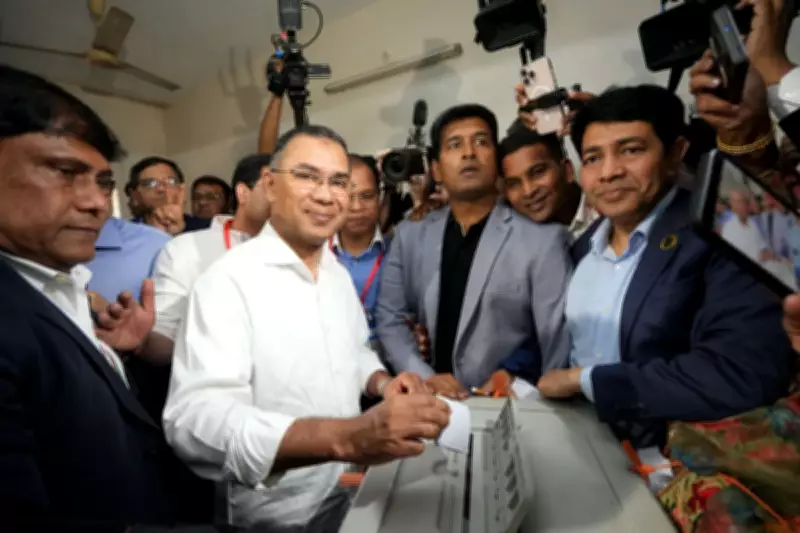
Bangladesh Nationalist Party Achieves Landslide Election Victory
The Bangladesh Nationalist Party has secured a decisive and overwhelming victory in a pivotal national election, marking a profound political transformation for the country. This electoral triumph represents a significant shift in governance and sets the stage for new policies and leadership directions.
Key Moments from the Election Day
Throughout the election day, scenes of high voter turnout and enthusiastic participation were evident across Bangladesh. Citizens queued patiently at polling stations, demonstrating a strong commitment to democratic processes. The atmosphere was charged with anticipation as ballots were cast, reflecting the electorate's desire for change and stability.
Observers noted that the voting process proceeded smoothly in most regions, with minimal reports of disruptions. The election commission worked diligently to ensure transparency and fairness, contributing to the credibility of the outcome. International monitors praised the overall conduct of the election, highlighting it as a milestone in Bangladesh's democratic journey.

Implications of the Nationalist Party's Win
The victory of the Bangladesh Nationalist Party carries substantial implications for both domestic and international affairs. Domestically, it signals a potential shift in economic policies, social programs, and diplomatic strategies. The party's platform, which emphasizes national sovereignty and economic development, is expected to influence legislative priorities in the coming years.
Internationally, this election result may alter Bangladesh's relationships with key global partners. Analysts suggest that the new government could pursue more assertive foreign policies, while maintaining existing alliances. The outcome is also likely to impact regional dynamics in South Asia, given Bangladesh's strategic importance.
Reactions from Political Stakeholders
Following the announcement of results, leaders from the Bangladesh Nationalist Party expressed gratitude to voters and pledged to uphold their promises. In contrast, representatives from opposing parties acknowledged the defeat gracefully, emphasizing the importance of democratic norms and peaceful transitions of power.
Civil society groups and activists have called for the new government to address pressing issues such as economic inequality, climate change, and human rights. They urge the administration to foster inclusive governance and prioritize the welfare of all citizens, regardless of political affiliation.
Looking Ahead: Challenges and Opportunities
As the Bangladesh Nationalist Party prepares to assume office, it faces a mix of challenges and opportunities. Key challenges include managing economic recovery post-pandemic, tackling corruption, and ensuring social cohesion. However, the party's strong mandate provides an opportunity to implement reforms and drive national progress.
Experts advise that the new leadership should focus on building consensus and engaging with diverse stakeholders to achieve sustainable development. The election's outcome underscores the dynamic nature of Bangladesh's political landscape and its potential for future growth and stability.






