
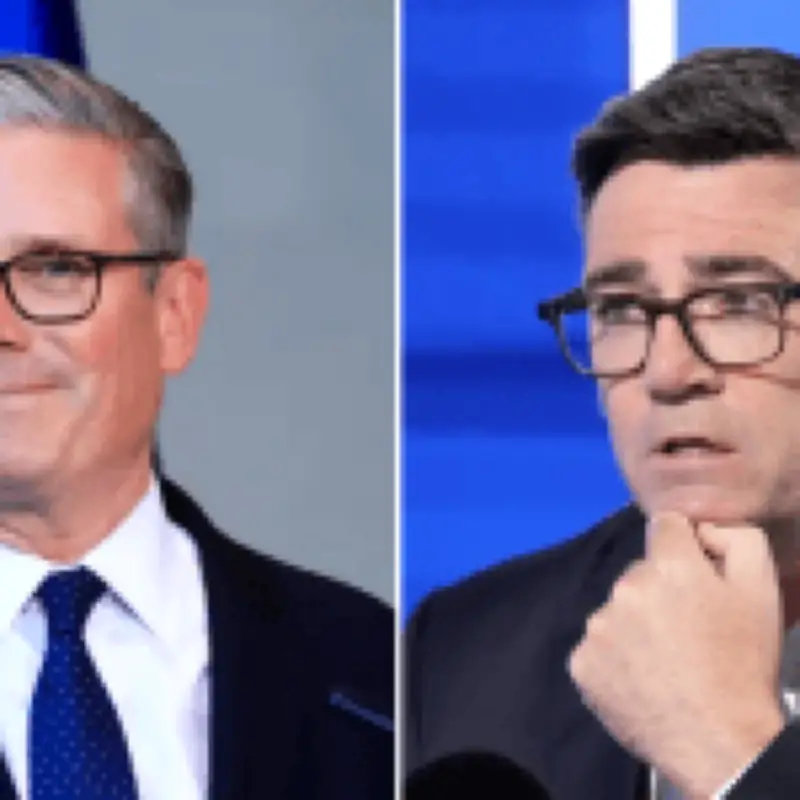
With less than two weeks to go until Andy Burnham is almost certain to walk through the door of No 10, the incoming Prime Minister faces a massive to-do list left by Sir Keir Starmer. The only thing preventing Burnham from becoming the country's top banana on July 20 is a leadership contest, which would require another Labour MP securing enough signatures today—an outcome that looks unlikely.
Key Issues Awaiting Burnham
Among the pressing items are funding for the Defence Investment Plan, the under-16s social media ban, the European Union reset, the ongoing cost of living crisis, the expected hike in energy bills from the Iran War, and reforming the social care system. Additionally, the Timms Review of Personal Independence Payments is expected to publish its interim report soon, and the government's response to the Milburn Review on young people not in education, employment or training is due later this year.
There is also the passing of the Hillsborough Law, which is close to Burnham's heart. The UK is hosting the G20 next year, which will require significant preparation. Starmer's much-hyped digital ID system hasn't yet been fully rolled out, nor have the controversial proposals to limit trial by jury that came up at Deputy PMQs. His successor will also need to see through complex reforms to the special educational needs (SEND) system.
Economic Challenges
On the economic front, the Office for Budget Responsibility stated yesterday that almost all of their forecast scenarios show the public finances will end up on an unsustainable path. This adds to the urgency for Burnham to address the broader economy.
Burnham has had just 20 days since winning the Makerfield by-election to prepare for government, with about 11 days left until he is set to become PM. His total prep time is about two-thirds of the length of the 2024 general election campaign and two-thirds of Liz Truss's famously truncated time in office.
Defence and National Security
One major example is defence. The Defence Investment Plan is largely about working out which parts of government can face cuts to pay for keeping the country safe. More broadly, Burnham may face a call like Starmer did in February, informing him an ally has launched a war and asking if he is willing to get involved.
Unlike Starmer, who as leader of the opposition received classified national security briefings for years, Burnham has not had such access as Mayor of Greater Manchester. He will rely on meetings with top brass during this transition. With NATO warning Russia could launch a war by 2030, the pressure is on for Burnham to quickly get up to speed.




