
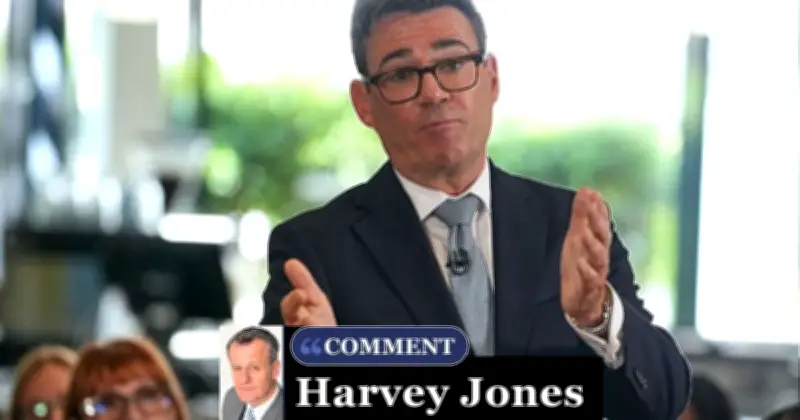
Andy Burnham's route to power has been anything but straightforward. He twice failed to win the Labour leadership before his third attempt succeeded, and until recently he was not even an MP. That meant he could not challenge Keir Starmer directly, and the betting markets ranked Angela Rayner, Ed Miliband and Wes Streeting as far more likely next leaders. Burnham nevertheless secured a seat, captured the Makerfield by-election and entered Downing Street.
His opening fortnight in office has been a success. Voters see Burnham as a leader who understands everyday life, and he has responded with a wave of optimism and generous spending pledges. So far the public has swallowed these promises without asking who will pay for them.
His opponents on the populist left and right have also faded. Green Party's Zack Polanski has been damaged by his social media behaviour, and Reform UK's Nigel Farage is facing a string of fraud allegations that are beginning to bite. For now, fortune is smiling on Burnham.
The limits of luck
Yet luck is short-lived and so are political honeymoons. Starmer enjoyed a burst of approval after the 2024 general election, but it lasted barely two weeks. Burnham's appeal may be more enduring, but eventually he will have to take decisions that cost voters money and divide his party, draining the current feelgood factor.
Signs of strain are already emerging. Labour's left is unhappy about benefit cuts, open-border advocates are angry over Shabana Mahmood's immigration clampdown despite horrific scenes at the Spanish enclave of Ceuta, and even Starmer loyalists have grievances. The first cracks are showing.
To call an election or not
Burnham is now weighing the biggest decision of his premiership: whether to call an early general election while his winning run continues. The public is already taxed heavily, yet his commitments will require even more revenue. The world is also becoming more dangerous, with potential oil price spikes, resurgent inflation, higher borrowing costs, the threat from Putin, and the expanding conflict in the Middle East.
While those pressures mount, Burnham is focusing on bus fares, and that disconnect may eventually prove costly. He is also constrained by Labour's 2024 manifesto, which promised no rises in income tax, national insurance or VAT. An early election would allow him to seek approval for his own agenda and escape those commitments.
Risks of a gamble
Earlier prime ministers have been burned by such calculations. Theresa May called an early election in 2017 during her honeymoon period and lost her majority. Gordon Brown considered going to the country after replacing Tony Blair but lost his nerve, earning the nickname "Bottler Brown"; soon afterwards the financial crisis ended his premiership.
If Burnham follows that path, he would be like a gambler placing all winnings on a single spin of the roulette wheel. The likely result is that he will resist the temptation. But if a major crisis sends his poll numbers tumbling, he may regret not cashing in while luck was still on his side.




