
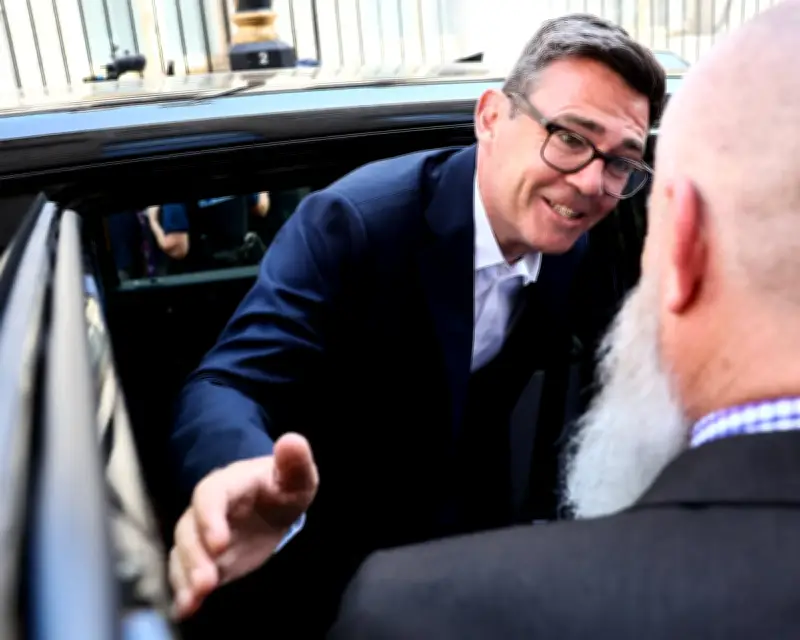
Andy Burnham arrives at Derby Gate by the Houses of Parliament on 22 June 2026, as the new Labour leader poised to become prime minister. He is the only person who can keep Nigel Farage out of Downing Street, according to Polly Toynbee, who argues that his unique blend of optimism and realism is essential to counter the hard-right Reform UK surge.
Why Keir Starmer Had to Go
Keir Starmer bid a brief and emotional farewell at the lectern, but the reason for his departure lies not in Westminster but in councils up and down the country. Reform UK troopers swept through local elections last month, from Barnsley to East Sussex. Sunderland now has 58 Reform councillors to Labour’s five, and South Tyneside Labour was nearly wiped out, left with only one councillor. Many Labour MPs find themselves alone, their local parties hollowed out in an alien sea of Reform.
South Tyneside’s new Reform council is consulting on closing 10 publicly run nurseries, suggesting the private sector can provide places instead. These nurseries are what’s left of Sure Start, hubs in council estates and deprived areas offering daycare, baby clinics, parenting classes, and dads’ groups. Joanna Taylor, mother of a toddler in a Stanley nursery, is campaigning fiercely: “Our Stanley staff are much better trained, they take Send children the private sector doesn’t and, anyway, private nurseries have waiting lists until 2028.”
The Farage Surge and Starmer's Inability to Resist
The Farage surge is why Starmer had to go. He has been incapable of galvanising resistance to Reform, which took the lead in national opinion polls by up to 10 points in under a year after Starmer’s “loveless landslide” victory on just 34% of the vote. In More in Common’s latest approval ratings, Starmer scores minus 45, Kemi Badenoch minus one, with Andy Burnham at plus nine. Defenestrating the Labour leader is not a little local fracas in Westminster—it is about the very real prospect that Nigel Farage could become the next prime minister.
Burnham's Unique Appeal and Policies
Burnham is the only leading politician with a positive popularity score in these cynical anti-politician times. He won remarkably in Makerfield, Brexitland that voted Reform heavily in local elections only a month earlier. His ability to persuade voters to abandon Reform proves Farage is vulnerable to a bold bid from the left. Centrism, caution, and paralysis under Treasury orthodoxy do not cut it.
Burnham’s policies include electoral reform, devolution of power and money to mayors, rent controls for private-sector tenants, lower energy bills with green levies paid by general taxes, capping bus fares at £2 everywhere, cutting business rates for pubs and small shops, nationalising water starting with Thames Water, and long-term intent to take back the National Grid. He also plans a closer embrace of the EU, chasing that missing 6% to 8% of GDP, and a colder, more principled riposte to Donald Trump and Benjamin Netanyahu.
The Chancellor and Economic Direction
We await his choice of chancellor. Will he be deterred from Ed Miliband by attacks from the right and its press? Burnham and Miliband’s economic policy is emerging from outriders and advisers reflecting many ways to raise money without breaking manifesto pledges. War bonds with reduced inheritance tax would attract investors in defence. Equalising rates for income and capital gains tax is fair and lucrative, closing private equity’s loophole. Jim O’Neill, the Burnham adviser and former treasury minister, tells the FT the new PM could raise far more borrowing if used for productive capital investment.
Unison chief endorses Ed Miliband for chancellor under a Burnham government. Choosing Miliband would signal strength, appointing the serious economist to set out intentions with clarity, reassuring Labour MPs of balance at the top with Shabana Mahmood at the Home Office and James Purnell as chief of staff.
The Challenge Ahead
Burnham’s mettle will be tested on a tightrope walk between bravery and peril. He is more experienced in Treasury, cabinet, and leadership than most new prime ministers, better trained to resist frighteners from the business or Treasury world obstructing his natural instinct for radicalism. He will step through that black front door to a near impossible job: bad stuff happens all the time, but things can get better.
Traditional Labour miserabilists are getting their disillusion in early: he’ll fail, the task is undoable. True, his rating will drop fast. Attacks will be never ending. “The same old s**t, only this time with a Stone Roses soundtrack,” says the Sun already. But vanquishing Reform is his prime duty, and he can prove them wrong if he steers his own course with that difficult blend of optimism and realism, of hope, risk, and wisdom.




