

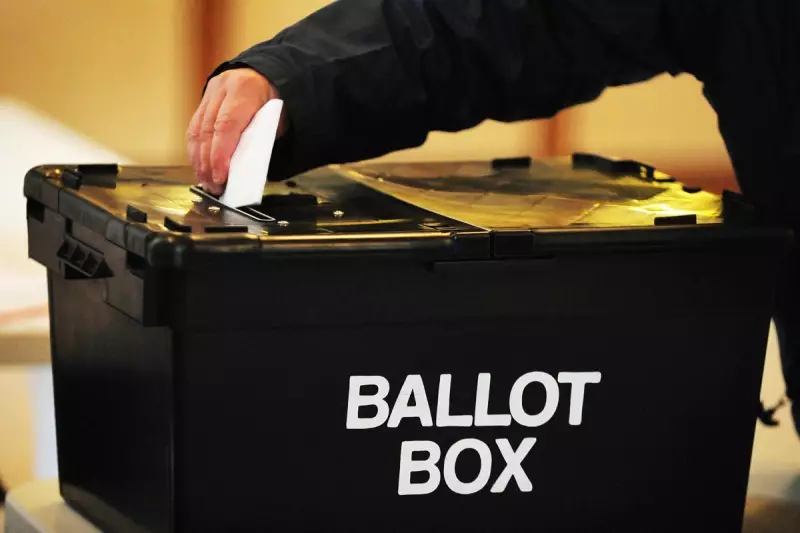
Political tensions are running high as twenty-two local authorities in England are expected to postpone their scheduled May elections. The move has ignited a fierce row, with opposition parties accusing the Labour government of undermining democracy to avoid potential heavy losses at the ballot box.
Political Outcry Over 'Cancelled Democracy'
The controversy stems from government plans to reorganise local government by scrapping two-tier councils and creating new unitary authorities by 2028. Last month, ministers indicated that up to 63 council areas could potentially delay their votes until 2027 if they lacked capacity to manage the restructuring. According to a BBC survey conducted ahead of Thursday's deadline, 22 councils have now formally requested a postponement.
Of the remaining councils, around 34 have decided to proceed with elections in 2026, while seven are still undecided. The requests for delay have come predominantly from Labour-led councils, but also include three Conservative-led and one Liberal Democrat-led authority.

The situation has provoked outrage, particularly from Reform UK, amid speculation that Labour fears a significant loss of seats due to a surge in support for Nigel Farage's party. Tory shadow local government secretary James Cleverly accused Labour of "running scared of voters" following devastating approval ratings. He demanded ministers "treat voters with respect instead of disdain" and allow the elections to proceed.
Legal Challenges and Electoral Concerns
The backlash has moved beyond political rhetoric into potential legal action. Nigel Farage is expected to launch a judicial review in a bid to force the elections to go ahead, accusing Communities Secretary Steve Reed of an "abuse of power". The Liberal Democrats have also called for a change in the law to prevent ministers from delaying elections "at the stroke of a pen".
Adding weight to these concerns, the Electoral Commission has voiced significant unease. Chief Executive Vijay Rangarajan stated that the move created "unprecedented" uncertainty and risked damaging public confidence. The Commission does not believe "capacity constraints are a legitimate reason" to delay long-planned polls. Mr Rangarajan warned that extending existing council mandates affects the legitimacy of local decision-making and presents a clear conflict of interest.
Government Defends Flexibility for Councils
In defence of the policy, Local Government Minister Alison McGovern stated that the government would consider delays for councils with "genuine concerns". She explained that authorities of all political stripes had expressed anxiety about their ability to manage a complex transition to new councils while simultaneously running resource-intensive elections for bodies slated for abolition.
"They have expressed concerns about the time and energy spent managing elections to bodies that won't shortly exist, only to run an election a year later," McGovern said. The government's position is that it is providing necessary flexibility during a period of significant structural change for local government across England.
As the deadline passes, the focus now shifts to the government's final decisions on which postponements to grant and the looming threat of legal challenges that could determine whether voters head to the polls in May as originally planned.






