Hazel Davis, a trustee of the SurrogacyUK Foundation, has written to the Guardian to share her personal experience of surrogacy and respond to a letter from Lexi Ellingsworth about the regulation and ethics of surrogacy.
A personal surrogacy journey
Davis gave birth to a baby for her friends in January. While the baby lives with its parents, Davis and her husband are the legal parents. They are waiting for a family court date in September to recognise the baby's biological parents as legal parents.
Her surrogacy story began when her sister suffered complications after the birth of her first child. After a second difficult birth, doctors advised that it would not be safe for her to carry more children. Davis became an auntie via surrogacy when her sister's friend carried her third child. Her niece is now a determined five-year-old, fully part of the family, and Davis sees no evidence that her origins have any impact.
Offering to be a surrogate
In 2023, friends confided that they had joined SurrogacyUK as they hoped to start a family but needed help. David had been Davis's husband's best friend since primary school and her friend since university, and is now their daughter's godfather.
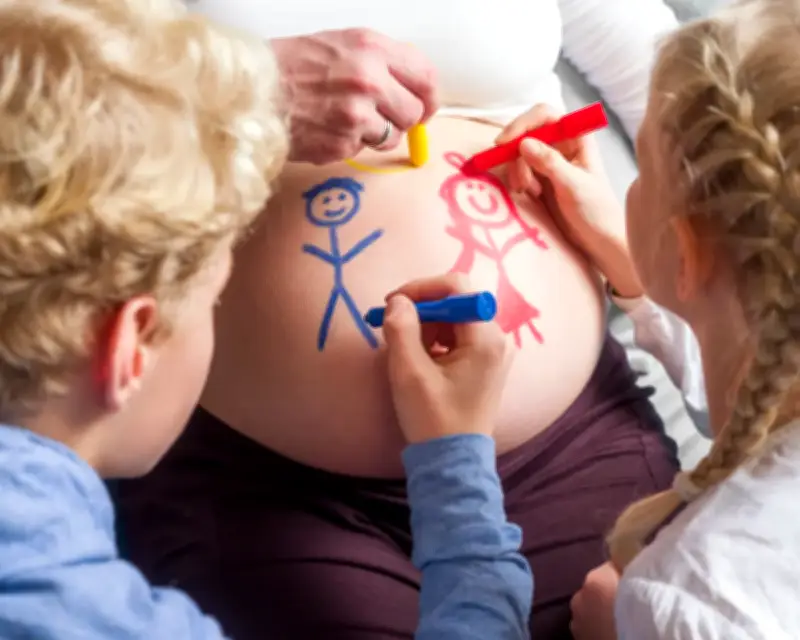
They were surprised when Davis offered to be their surrogate. She was aware of the risks but had support. During the pregnancy, the friends recorded children's stories, which Davis played through speakers on her belly so the baby would recognise their parents' voices from birth.
Legal challenges and the need for reform
The legal challenges became evident when the baby became extremely unwell at only 11 days old. As legal parents, Davis and her husband were glued to their phones in case the hospital needed consent for medical tests, while the biological parents were at the bedside ready to make decisions. Davis argues the law is not acting in the best interests of the children.
She addresses those who wish to protect her by denying her the choice to use her body to help her friends, saying their concern is misguided. She cites Susan Golombok, professor emerita of family research at the University of Cambridge, who wrote in April that a 20-year study of UK surrogacy families found no evidence of widespread psychological harm to children, parents, or surrogates.
The baby will grow up knowing where they came from, how much they were wanted, and how much they are loved.