
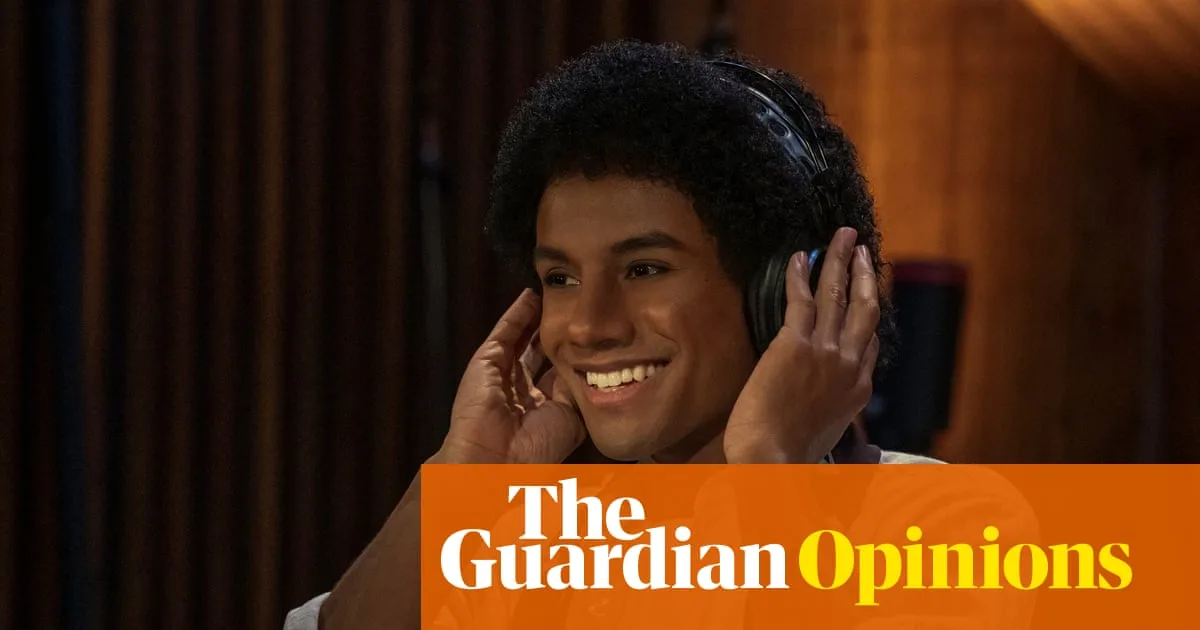
The new Michael Jackson biopic, Michael, directed by Antoine Fuqua, has reignited debate over the sanitised nature of authorised music films. The movie, which focuses on Jackson's rise to fame, avoids the child abuse allegations that dogged the singer from 1993 onwards. It is described as a 'fantastical greatest hits playlist' scrubbed clean of controversy, with songs licensed by Sony and the Jackson estate.
Michael is the latest in a wave of authorised biopics that includes films about Elton John, Aretha Franklin, Elvis Presley, Whitney Houston, Amy Winehouse, Bob Marley, Robbie Williams, Bob Dylan and Bruce Springsteen. The genre was revived by 2018's Bohemian Rhapsody, which grossed $911m worldwide despite critical dismissal. The film's boost to Queen's streaming figures set a precedent for estates seeking to control narratives and maximise profits.
Critics argue that these estate-approved films often obscure complexity. Bohemian Rhapsody downplayed Freddie Mercury's sexuality; Whitney Houston: I Wanna Dance with Somebody minimised her drug use. Sam Taylor-Johnson's Back to Black reduced Amy Winehouse to her tragic romantic relationship, partly because her father Mitch, who owns her estate, was involved. Such films can feel like 'blatant, even unethical' attempts to clean up legacies for financial gain.
In Michael, the singer is portrayed as childlike, eating ice-cream and reading children's books; the film never questions the adult environments he was exposed to as a child star. A title card promises 'His story continues', an understatement given the unresolved allegations. While some biopics like A Complete Unknown and Springsteen: Deliver Me from Nowhere are praised for thoughtful storytelling, many authorised films are criticised for flattening humanity and prioritising escapism over truth.




