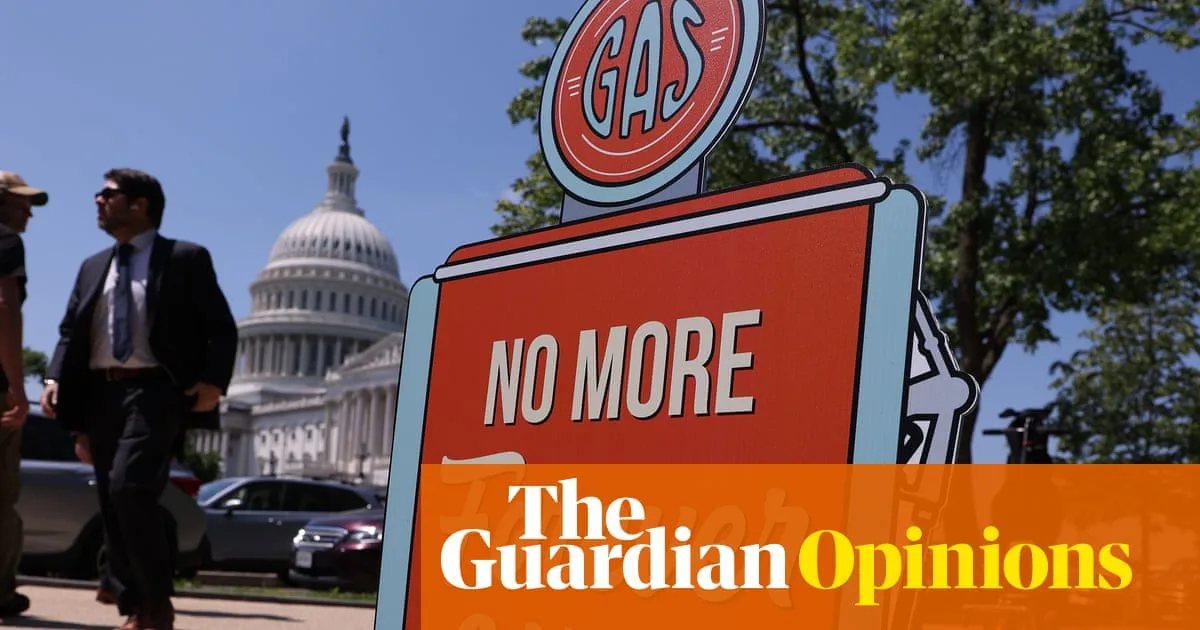
With the deadlocked war in Iran about to enter its fourth month, comparisons with previous US quagmires in Iraq, Afghanistan and Vietnam are increasingly common. What initially seemed like exaggerated warnings of another 'forever war' now appear prescient. The negative international humanitarian, economic and geopolitical fallout from this conflict threatens to be more permanently damaging than any of those past US-made disasters.
The urgent question arises: who will stop Donald Trump? Having started something he cannot finish, the US president, egged on by Israel's Benjamin Netanyahu, has boxed himself into a corner. He faces a choice between escalating illegal bombing in hopes of forcing surrender, or accepting a negotiated compromise that falls short of his initial aims, including eliminating Iran's nuclear programme. Neither option is attractive or tenable for Trump, as bombing has proven ineffective—70% of Iran's missile stockpile reportedly remains intact—and a peace deal would be seen as an abject failure.
Trump's threats to break the ceasefire are opposed by Gulf states, Washington's allies (except Israel), and most US voters. A deal broadly in line with Barack Obama's 2015 nuclear pact, which Trump wrecked, would represent a landmark US strategic defeat with implications for the global contest with China and Russia. Trump's approval ratings have collapsed to about 37%, but the standoff is causing immense harm worldwide.
Among the poorest countries, the need to end the war is existential. Staple prices have doubled in Somalia, fertiliser shortages threaten famines, and the World Food Programme predicts an additional 45 million people will face acute hunger if the war continues. Developed countries are penalised through spiralling energy, fuel and food prices; the IMF cut its global growth forecast to 3.1% in 2026, blaming the 'shadow of war'. Ordinary people everywhere are paying a Trump war tax.
The conflict is upending the geopolitical balance. The US is at odds with allies like Germany, France and Britain; Gulf states question the alliance; Russia benefits from reduced sanctions on its oil exports; and China's global ascendancy is confirmed as Trump failed to secure its help on Iran. The universally negative knock-on effects undermine democratic accountability, political stability, human rights, the UN charter and environmental conservation.