
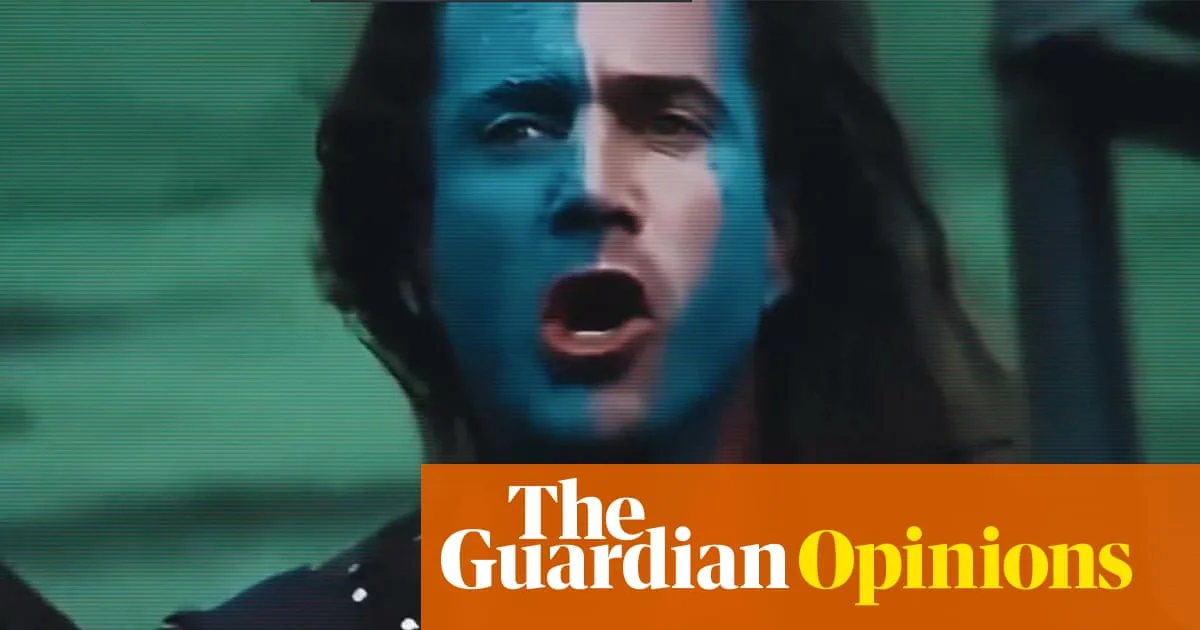
The White House has released a social media video that intersperses clips from Hollywood films such as Braveheart, Gladiator, Superman and Top Gun with real infrared kill-shot footage from the recent US military attacks in Iran. The montage, described as promoting 'justice the American way', has been widely criticised.
Film critic Peter Bradshaw labelled the video 'a piece of supremely nasty mischief' created by 'very humourless and naive people'. He noted that the administration appears to be pre-celebrating a victory over its political opponents, including Democrats and 'wokesters', rather than focusing on strategic planning for Iran.
The video includes a moment featuring Pete Hegseth, which commentators have seen as a clue to the video's authorship. It also draws from the television series Breaking Bad, including the characters Walter White and Saul Goodman, ostensibly to celebrate a 'maverick' approach dismissive of caution and due diligence.
Bradshaw highlighted the ironic inclusion of a clip from Tropic Thunder, a comedy that satirises the fantasies of war movies, suggesting it could have been self-aware humour but that the video is 'beyond irony'. He also noted that the use of Braveheart's anti-English sentiment may reflect US President Donald Trump's reported contempt for UK Prime Minister Keir Starmer.




