
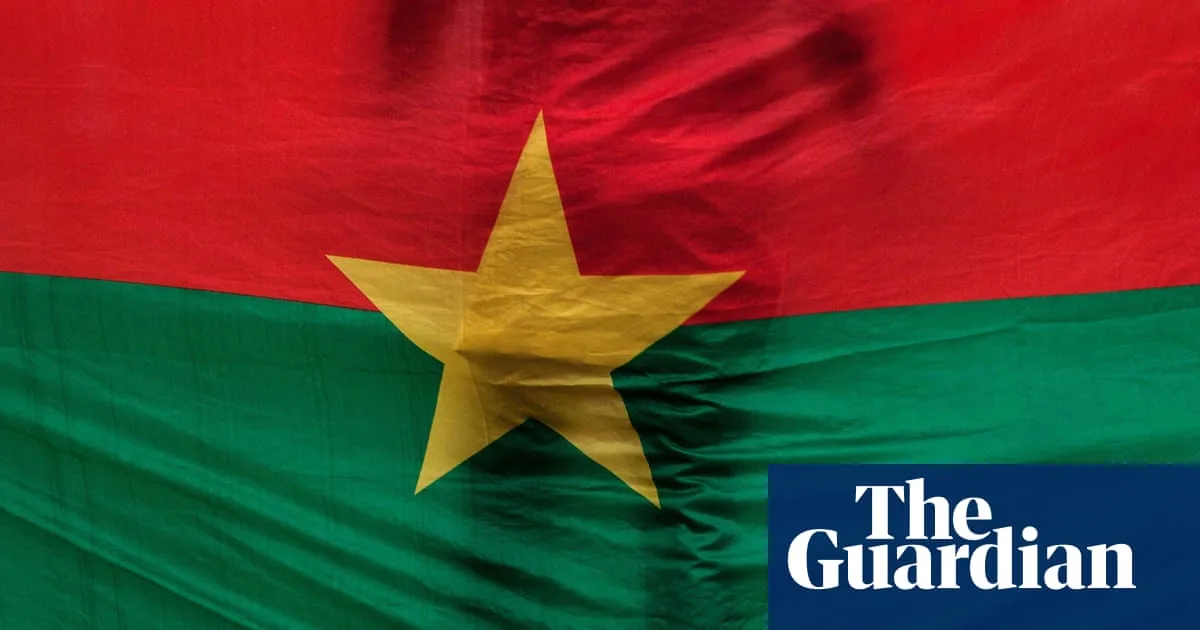
Mali and Burkina Faso have announced bans on US citizens entering their countries, in retaliation for Donald Trump’s decision to restrict travel from the two West African nations. The reciprocal measures were declared on Tuesday by foreign ministers in separate statements, marking the latest deterioration in relations between the US and the region’s military-led governments.
On 16 December, Trump expanded existing travel restrictions to include 20 additional countries, among them Mali, Burkina Faso and Niger – all governed by juntas that have formed a breakaway association from the Economic Community of West African States. The White House cited persistent attacks by armed groups as a key reason for the ban, alongside a lack of sufficient information to assess risks posed by foreign nationals.
In its announcement, Mali’s foreign ministry stated: “In accordance with the principle of reciprocity, the Ministry of Foreign Affairs and International Cooperation informs the national and international community that, with immediate effect, the Government of the Republic of Mali will apply the same conditions and requirements to US nationals as those imposed on Malian citizens.” Burkina Faso’s foreign minister, Karamoko Jean-Marie Traoré, issued a similar statement citing equivalent grounds for the ban on American nationals entering Burkina Faso.
The expanded US restrictions were framed as an intensification of Trump’s crackdown following the shooting of two national guard members in Washington DC on 26 November. US officials said the measures were “necessary to prevent the entry of foreign nationals about whom the United States lacks sufficient information to assess the risks they pose”.
Both Mali and Burkina Faso have struggled to contain armed groups that have spread rapidly across the region. The juntas, which seized power from civilian governments amid widespread insecurity, have vowed to combat the militants.




