
The Trump administration has revoked the visa of a Chinese national working for the state news agency Xinhua in the United States, in an apparent reciprocal act to Beijing's decision to expel a New York Times reporter. A person familiar with the matter confirmed the visa had been revoked, speaking on condition of anonymity because the matter involves visa privacy. A State Department official confirmed there was a plan to revoke the visa.
The tit-for-tat move follows the expulsion by Beijing of Vivian Wang, a China correspondent for The New York Times, apparently over the appearance of Taiwanese leader Lai Ching-te in a DealBook event in which Wang had no role. The Times said it does not ask governments to revoke media credentials or otherwise interfere with the work of any journalist. On Friday, the paper issued a statement calling for Wang to be reinstated and urging both governments to “reverse this deterioration in journalist access.”
Joseph Kahn, the paper's executive editor, said in a statement: “The Chinese government’s decision to expel Vivian Wang is wrong. Her expulsion will make it even harder for our global audience to get accurate, independent and in-depth reporting about the world’s second largest economy at a critical time.” The Chinese embassy in Washington did not immediately respond to a request for comment.
Wang is leaving China when the presence of US media is already thin after previous disputes over journalistic credentials, leaving several US news organisations with skeleton staffing in their China bureaus. “The number of correspondents from American media outlets allowed to work in China has now fallen to an alarmingly low level, at a time when the need for people everywhere to understand China is greater than ever,” Kahn wrote.
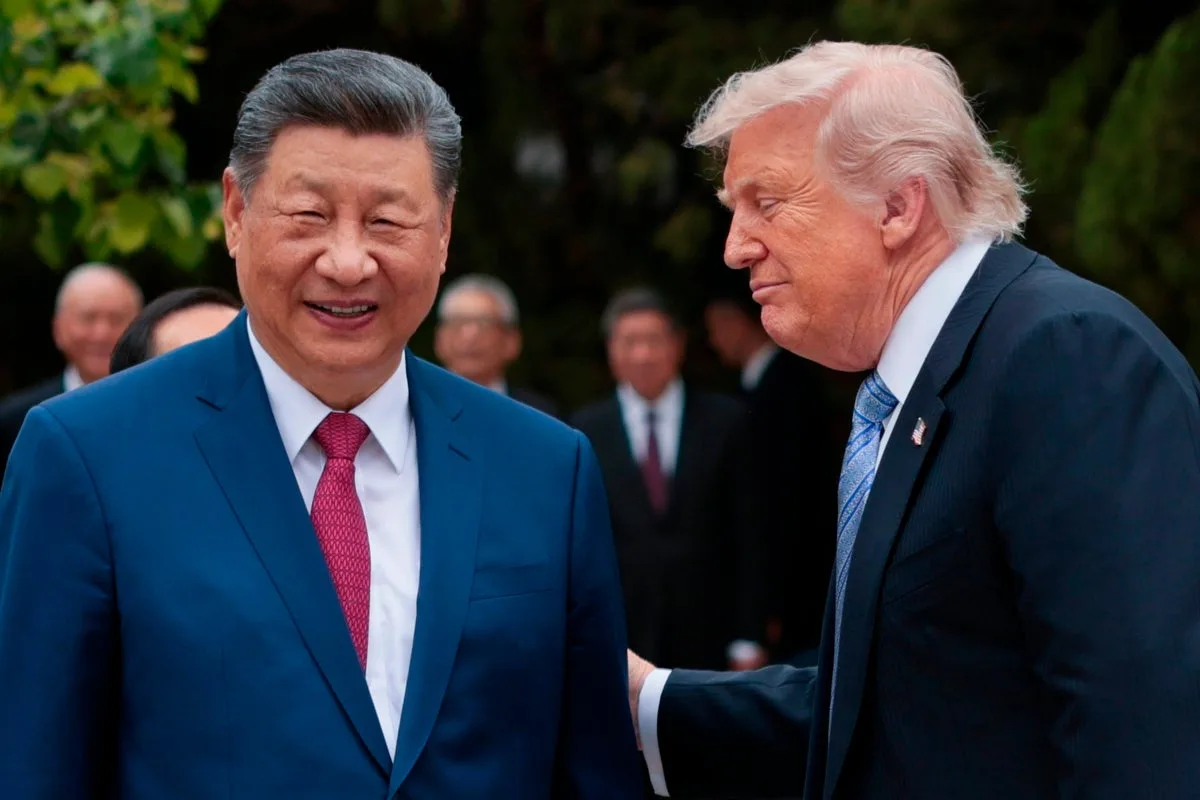
Beijing moved to expel Wang after the media group's DealBook Summit 2025 featured Taiwanese President Lai Ching-te in a recorded interview. The Chinese government claims sovereignty over Taiwan, which split from the mainland in 1949. In a summit with President Donald Trump in Beijing in mid-May, Chinese President Xi Jinping warned that China and the US could “collide or even clash” over Taiwan if the issue is not handled properly.
The decision against The New York Times has created unease among other Western media that might interview Lai, at the risk of losing their abilities to report within China. All foreign journalists must be accredited by China's foreign ministry to report in China, and Beijing has used the accreditation and visa policy to expel or keep out foreign journalists whose work has upset the Chinese leadership. In 2020, for example, China expelled three Wall Street Journal correspondents after the newspaper ran an opinion piece titled “China is the Real Sick Man of Asia”.




